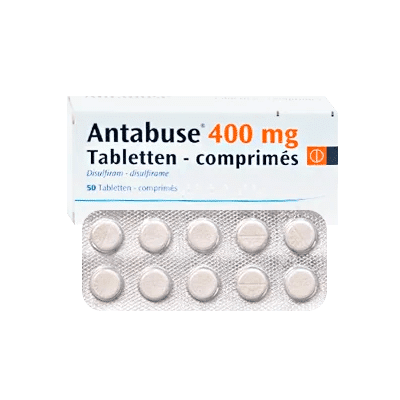
Antabuse
3 customer reviewsWhat is it?
Antabuse, also known as Disulfiram, is a medication designed to help people suffering from alcoholism overcome their addiction. Its unique mechanism of action is based on the induction of unpleasant effects when the medication is taken with alcohol. This medication is part of a comprehensive recovery program that includes ongoing medical monitoring and psychological counseling. Antabuse helps patients maintain sobriety and avoid the temptation to drink. Despite its primary function, it can also be used for other purposes, making it a versatile component in the treatment arsenal.
Composition
Antabuse contains the active ingredient disulfiram, which is the basis of this medications action. It works by blocking the enzymes responsible for alcohol metabolism in the body, leading to the accumulation of acetaldehyde and a number of unpleasant symptoms.
- Disulfiram is the main active ingredient responsible for its therapeutic effect.
- Other excipients ensure tablet formation and stability.
- Additives that can improve taste or facilitate swallowing.
The carefully selected composition ensures the drugs reliable pharmacological activity, making it an effective treatment for alcohol addiction. The components interact, enhancing each others effects, and ensure safety when used as directed.
How to take it?
Using Antabuse requires strict adherence to the instructions and doctors recommendations to achieve maximum effect and minimize the risk of adverse reactions. The first step in using this medication is choosing the appropriate dosage, which is individually determined under the supervision of a healthcare professional.
- Take the medication orally with a full glass of water to ensure its rapid and reliable absorption.
- Follow the prescribed dosage schedule, taking the medication at regular intervals to help maintain a consistent therapeutic effect.
- Do not take the medication more frequently than recommended; this may lead to unwanted effects.
- Discontinue use of the medication only as directed by a doctor to avoid exacerbation of addiction symptoms or other adverse reactions.
Follow all instructions provided with the medication, and if you have any questions or concerns, do not hesitate to consult your doctor or pharmacist.
How does it work?
Antabuse works by blocking a specific enzyme responsible for alcohol metabolism in the body. The drug inhibits the conversion of ethanol to acetaldehyde, which leads to its accumulation and causes a sharp deterioration in well-being when drinking alcohol. This approach creates negative associations, helping the patient avoid alcohol.
The effects of Antabuse appear quickly and can last for several hours, causing the patient to experience physical and psychological discomfort. This creates a persistent negative reinforcement for alcohol consumption. The drug is able to maintain a constant physiological negative reinforcement, which helps many maintain abstinence for longer periods.
This therapeutic approach, combined with psychological support and motivational therapy, is often effective for patients seeking to overcome alcohol addiction and rebuild their lives.
Indications
Antabuse is intended for use strictly according to the instructions, which guarantees its effectiveness and safety. Its primary purpose is to help people suffering from chronic alcoholism abstain from alcohol.
- Chronic alcoholism requiring medication intervention.
- The need to create negative reinforcement for alcohol consumption.
- Use in combination therapy with counseling and psychological support.
- Maintaining sobriety and preventing relapses during rehabilitation.
Using the drug strictly according to the instructions helps achieve lasting results and improve the quality of life of patients suffering from addiction.
Contraindications
Antabuse is not recommended for use in the presence of certain contraindications, as it may cause serious complications or worsen the patients condition.
- Presence of brain damage or mental disorders.
- Cardiovascular disease, including serious heart problems.
- Kidney or liver disease, which may be aggravated by taking the drug.
- Allergy or hypersensitivity to disulfiram or other components of the drug.
- Presence of epilepsy or a tendency to seizures.
- Concomitant use with metronidazole or other specific medications, such as paraldehyde.
These conditions require careful evaluation by a physician before initiating treatment and may require alternative therapies.
Side effects
Like any medication, Antabuse can cause side effects. These can vary in severity and require attention from both the patient and healthcare team.
- Allergic reactions, manifested as rash, itching, or swelling of the facial structures.
- Vision problems or altered perception of surrounding objects.
- Confusion, disorientation, and irritability, requiring medical intervention.
- Dark-colored urine or flu-like symptoms, which may indicate liver problems.
- General weakness and fatigue may indicate an intolerance to the drug.
- A metallic taste or garlic sensation in the mouth, which may resolve after discontinuing the drug.
If serious side effects occur, seek medical attention so that treatment can be adjusted promptly.
Frequently asked questions
Reviews and Experiences
Ive been using Antabuse for several months now and have noticed significant changes. Firstly, my desire to drink has practically disappeared, as I now know the unpleasant consequences of drinking alcohol.
After starting Antabuse, I felt more confident, was able to return to normal life, and even found a new job. Of course, I have to watch what I eat and drink to avoid accidentally consuming anything containing alcohol.
At first, I was afraid of possible side effects, but fortunately, I didnt experience any. I took it exactly as directed, and everything went smoothly. I also have support from my family and a support group, and all of this helps me stay sober.