Atarax
3 customer reviewsWhat is it?
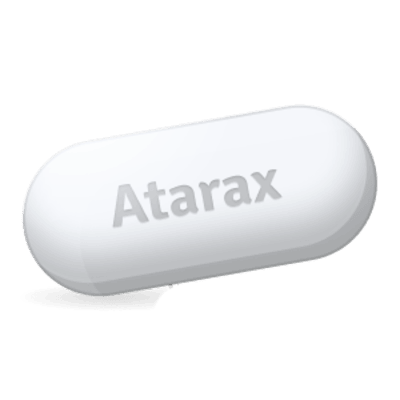
Atarax is a medication containing hydroxyzine, which is used to reduce anxiety and allergic reactions. Its primary action is to calm and relieve allergy symptoms due to its antihistamine and anticholinergic properties. Hydroxyzine can also improve cognitive performance, including memory and attention, without the risk of addiction. Its effects include smooth muscle relaxation, bronchodilation, and analgesia. The drug is indicated as an antiemetic and muscle relaxant, and can also reduce itching in conditions such as urticaria, eczema, and dermatitis. After entering the body, hydroxyzine is converted to its active form, cetirizine, continuing to provide antihistamine effects.
Composition
Atarax is based on the active ingredient hydroxyzine. All components of the drug have been carefully selected to ensure maximum efficacy and safety for patients. They work together to provide the broad spectrum of therapeutic effects that distinguish this drug.
- Hydroxyzine is the main active ingredient responsible for the antihistamine and sedative effects.
- Excipients that help stabilize the active ingredient and ensure its proper absorption in the body.
- Elements that contribute to the drugs taste and texture.
Understanding the composition of Atarax helps you better appreciate how the drug works and the benefits it can offer for treating various conditions.
How to take it?
Atarax should be used strictly according to a healthcare professionals recommendations. The correct dosage and regimen will help avoid side effects and ensure the drugs effectiveness.
- The recommended dose for adults is 25 to 100 mg per day, divided into several doses. For psychiatric purposes, the dose may be tripled.
- The course of treatment is usually four weeks, but may be adjusted based on a doctors recommendations.
- For older patients, as well as those with kidney or liver problems, the dose should be reduced.
It is important to remember that Atarax should not be taken without a doctors prescription to avoid potential complications and adverse reactions.
How does it work?
Atarax has an anti-allergic and sedative effect thanks to its hydroxyzine content. After entering the body, it is rapidly absorbed and metabolized into cetirizine, which continues the antihistamines action. This effectively combats allergic reactions and anxiety symptoms.
Hydroxyzine relaxes muscles, which helps reduce smooth muscle tone and reduce the likelihood of spasms. This action also helps relieve bronchospasms and reduce gastric acid secretion, which is useful for reflux or hyperacidity. The drug also has mild analgesic properties, helping relieve mild pain.
With regular use, Atarax maintains high levels of concentration and improves memory, making it useful for patients with cognitive impairment. Its calming effect reduces anxiety without the risk of addiction.
Indications
Atarax is suitable for the treatment and relief of a wide range of conditions. It provides a multi-layered approach to a wide range of issues, from allergic reactions to cognitive enhancement.
- Treatment of various types of allergies, including urticaria and dermatitis.
- Reduction of anxiety and nervousness.
- Improvement of cognitive function and increased concentration.
- Use as a muscle relaxant and antiemetic.
Due to its multiple effects, Atarax is a useful medication for patients with a variety of disorders.
Contraindications
Like any medication, Atarax has contraindications that are important to consider before starting treatment. Following these precautions will help avoid potential adverse effects.
- Hypersensitivity to hydroxyzine, cetirizine, or other components of the drug.
- Liver problems, such as porphyria.
- Pregnancy and breastfeeding.
- Kidney or cardiovascular problems.
Understanding the contraindications will help make treatment safer and more effective.
Side effects
Although Atarax is generally well tolerated, some patients may experience side effects. Understanding potential adverse reactions will allow you to respond quickly and take appropriate measures.
- Drowsiness and general weakness, especially at the beginning of treatment.
- Dry mouth and mucous membrane dehydration.
- Dizziness and decreased coordination.
- Gastrointestinal problems, such as nausea or discomfort.
Patients should closely monitor their condition and report any adverse reactions to their physician.
Frequently asked questions
Reviews and Experiences
Ive been using Atarax for several weeks now, and I can say its really helped reduce my allergy symptoms. Im itching less, and the redness has almost disappeared. Im also calmer and less nervous.
I frequently struggled with anxiety and sleep disturbances. Atarax helped me cope with these symptoms. Of course, I felt drowsy at first, but then my body adjusted, and I felt noticeably better.
I took Atarax as prescribed by my doctor, and it was a real lifesaver for my chronic dermatitis. The symptoms have significantly diminished, and now I dont need to take many other medications. The only thing is that I sometimes feel a slight dry mouth, but its not that bad.