Diflucan
3 customer reviewsWhat is it?
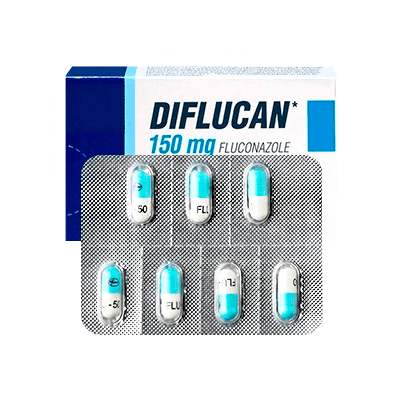
Diflucan is an antibiotic with antifungal activity, successfully used to treat fungal infections known as candidiasis. This medication is prescribed to combat vaginal and oral infections, fungal infections, urinary tract infections, peritonitis, and pneumonia. Diflucans mechanism of action is based on its ability to destroy fungal cells by interfering with the formation of their cell membrane, thereby killing susceptible fungi.
Composition
Diflucan contains the active ingredient fluconazole, which acts as the primary antifungal agent. This ensures the drugs high efficacy. Fluconazole is an azole and combats a broad spectrum of fungi. Additional ingredients may also be included to improve the formula and make the medication easier to take.
- Fluconazole
- Additional Excipients
Knowing the ingredients is important for people with allergies to certain ingredients, as it helps avoid unwanted side effects. It is always recommended to read the ingredients before taking new medications. This simple step can prevent possible allergies or cross-reactions.
How to take it?
Diflucan should be taken according to clear instructions to achieve the best effect. It should be taken once daily, preferably at the same time each day, to maintain stable blood levels of the active ingredient. It can be taken with or without food, with a full glass of water.
- For genital thrush: 150 mg once.
- For mucosal fungal infections: 50 mg daily for a month, depending on the location.
- For skin fungal infections: 50 mg daily for 2-4 weeks.
- For internal fungal infections: 400 mg initially, then 200-400 mg daily for 6-8 weeks.
- For the prevention of fungal infections: 50 to 400 mg daily, depending on the risk level.
- For the prevention of recurrent cryptococcal infections: 100-200 mg daily.
For children, dosages vary depending on age and type of infection, but the general principles of administration remain the same. It is important to remember that precise instructions for use should be provided by a doctor, taking into account individual characteristics.
How does it work?
Diflucan works by blocking the synthesis of ergosterol, a key component of fungal membranes. This leads to the destruction of cellular structures and subsequent death of the fungus. Fluconazole, the active ingredient in the drug, penetrates well into tissues and body fluids, enabling therapeutic interventions against deep-seated and systemic infectious processes.
After oral administration, the drug is rapidly absorbed, reaching maximum plasma concentrations within 30-90 minutes. This explains the drugs rapid onset of action, significantly improving the patients condition within 24 hours of initiating therapy. However, complete resolution of symptoms may take longer, depending on the nature and severity of the infection. This mechanism makes Diflucan effective even against severe forms of candidiasis.
Indications
Diflucan is used for a variety of fungal infections, primarily for the treatment of candidiasis. It may be prescribed to support the immune system and prevent multiple infections:
- Genital candidiasis
- Oral and esophageal candidiasis
- Skin candidiasis
- Urinary tract infections
- Prevention of fungal infections in patients with a weakened immune system
- Systemic fungal infections, such as cryptococcosis
Indications for use should be determined by a physician, as some conditions require a specialized approach and dosage. Proper use of the medication promotes a speedy recovery and prevents possible complications.
Contraindications
Despite its effectiveness, Diflucan has a number of contraindications that must be considered before starting treatment. Understanding these restrictions will help avoid health complications. The drug should not be used by people with an allergy to azole antifungal agents.
- Allergic reaction to fluconazole
- Intolerance to other azole antifungal drugs
- Severe liver or kidney dysfunction
- Pregnancy and lactation without consulting a doctor
Before use, it is important to discuss the possibility of taking this drug with a doctor to prevent unwanted effects and ensure there are no medical contraindications. This is especially important for patients with chronic diseases or taking other medications.
Side effects
Like any medication, Diflucan can cause unwanted side effects. Although these are rare, it is important to be aware of them so that you can recognize and respond to any warning signs promptly.
- Dizziness and headaches
- Stomach upsets, such as nausea or diarrhea
- Allergic reactions, including skin rashes
- Changes in liver function, accompanied by yellowing of the skin
If side effects occur, consult a doctor. Particular attention should be paid to allergic reactions; if these occur, discontinue use immediately and seek medical attention. Regular monitoring while taking Diflucan is necessary for safe and effective treatment.
Frequently asked questions
Reviews and Experiences
This is my second time using Diflucan, and both times it helped me get rid of my yeast infection. The first time I took it for a yeast infection, and the effect was felt after the first pill. By the second day, all symptoms had practically disappeared.
The medication saved me from foot fungus. I took the treatment for three weeks and achieved excellent results. Its true that I did sweat a bit too much at times, but thats not a big deal. The main thing is that the improvement is obvious!
Unfortunately, it didnt work for me. After starting the treatment, I felt very dizzy and had to stop. The doctor said it was a side effect and prescribed a different treatment. Be careful.