Nitroglycerin
3 customer reviewsWhat is it?
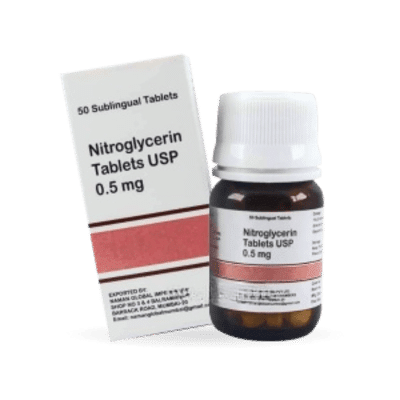
Nitroglycerin is a widely used medication designed to prevent chronic chest pain that can occur due to coronary artery disease. It belongs to the nitrate class and works by relaxing blood vessels. During angina, the heart may experience oxygen deprivation, and it is at these times that nitroglycerin becomes indispensable, as it helps improve blood flow and, therefore, ease the workload on the heart. This leads to a reduction in the amount of oxygen needed by the heart muscle, which ultimately helps reduce chest pain.
Composition
Nitroglycerin contains the active ingredient nitroglycerin. This substance actively affects the vascular system, promoting relaxation and dilation. This effect is achieved through nitroglycerins ability to affect vascular smooth muscle.
- Main active ingredient: nitroglycerin.
- Excipients, which may include various fillers and stabilizers (the specific composition of excipients may vary depending on the manufacturer).
- Absence of active additives or allergens, unless otherwise stated.
Nitroglycerin is widely used in many countries, and composition specifications may vary depending on the manufacturer. However, the main active ingredient is always nitroglycerin, which provides the primary therapeutic effect.
How to take it?
Using nitroglycerin requires strict adherence to your doctors recommendations, as incorrect dosage may lead to unwanted side effects or insufficient treatment effectiveness. The medication should only be taken under the guidance and supervision of a doctor, who will determine an individualized dosing regimen based on the patients specific needs and current health condition.
- First and foremost, it is important to read the instructions for use and follow your doctors recommendations regarding dosage.
- The medication is taken sublingually (under the tongue) for rapid relief of sore throat.
- See your doctor regularly for monitoring and dosage adjustments if necessary.
It is also important to remember that, despite its effectiveness, nitroglycerin may not be suitable for all patients, so it is important to pay attention to your symptoms and immediately report any adverse reactions to your doctor.
How does it work?
Nitroglycerins mechanism of action is based on relaxation of vascular smooth muscle, leading to dilation of veins and arteries. This improves blood flow, reduces peripheral vascular resistance, and decreases cardiac workload. As a result, myocardial oxygen demand decreases, helping prevent angina attacks.
Vasodilation also leads to reduced venous return to the heart, reducing the workload on the left ventricle and lowering blood pressure. This combined effect leads to overall relaxation of the cardiovascular system and improved oxygen delivery to tissues. Thanks to this comprehensive action, the drug not only helps relieve pain but also prevents its recurrence.
This approach, where the drug helps both during an attack and in preventing new episodes, makes Nitroglycerin so valuable and indispensable in cardiology practice.
Indications
Nitroglycerin is recommended for use in patients with symptoms or diagnoses related to cardiovascular problems. The drug is effective in conditions and situations such as:
- Prevention of chronic angina and acute chest pain.
- Reducing the risk of attacks in patients with confirmed coronary artery disease.
- Support during rehabilitation after myocardial infarction.
- Prescribed as a first aid drug for an acute attack of angina.
- Relief of symptoms in other cardiovascular diseases with increased cardiac load.
In addition to its primary purpose, nitroglycerin should be used carefully and judiciously to avoid unwanted consequences and achieve the best possible treatment results.
Contraindications
Despite its high effectiveness, there are certain contraindications to the use of nitroglycerin that should never be ignored. These are conditions or circumstances in which the drugs use may be dangerous or ineffective.
- Allergy to nitroglycerin or other components of the drug.
- Low blood pressure (hypotension), as vasodilation can further worsen the condition.
- Severe anemia, as reduced venous return can worsen the condition.
- Recent severe head injuries or intracranial pressure.
- Take phosphodiesterase type 5 inhibitors (e.g., sildenafil).
It is important to discuss the adaptation of a new treatment regimen with your doctor to avoid the risk of complications and ensure treatment safety.
Side effects
Like any other medication, Nitroglycerin can cause certain side effects that should be carefully monitored to ensure timely treatment adjustments. The main symptoms that may occur while taking Nitroglycerin include:
- Headaches, which may occur at the beginning of treatment but usually subside over time.
- Dizziness or fainting, especially when standing up abruptly.
- Flushing of the face and neck caused by dilation of blood vessels.
- Nausea or vomiting, which are nonspecific reactions to the drug.
- Irritation of the mucous membranes or skin at the site of application when using transdermal forms.
Monitoring and reporting any side effects to a physician is essential to ensure timely adjustments to the treatment regimen.
Frequently asked questions
Reviews and Experiences
Ive been using nitroglycerin for several months now. Ive noticed that the attacks have become less frequent, and most importantly, theyre not as intense as before. I still get headaches occasionally, but they pass.
After a heart attack, I was prescribed this medication for prevention. At first, I was wary of taking it because of the possible side effects, but over time, I realized it really does help. I feel much calmer and more confident.
Not long ago, I started taking nitroglycerin on my doctors recommendation. My condition improved significantly, and I became less concerned about sudden attacks. At first, I felt a little dizzy, but that was more of an exception.