Paroxetine
3 customer reviewsWhat is it?
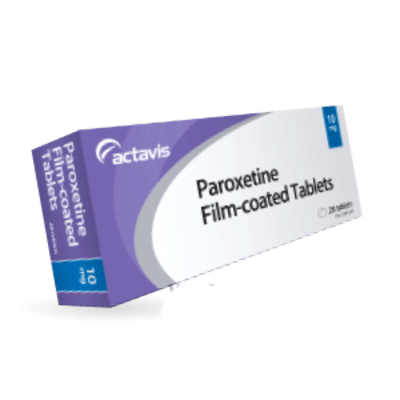
Paroxetine is a medication belonging to the class of selective serotonin reuptake inhibitors (SSRIs). It is often used in psychiatry to treat various mood and anxiety disorders. Its primary mechanism of action is to increase serotonin levels in the brain, which helps improve mood and reduce symptoms of depression. Paroxetine is available in tablet form and comes in several different strengths to allow for precise dosage adjustments depending on the specific clinical case.
Composition
Paroxetine contains the active ingredient paroxetine, which provides its primary therapeutic action. The importance of a precise composition cannot be overstated, as it guarantees the drugs efficacy and safety. In addition to the active ingredient, the composition may include excipients that assist in creating the tablet form and ensure the stabilization of the active ingredient. Without these components, the drug might not retain its properties under certain storage conditions.
- Lactose Monohydrate
- Starch
- Magnesium Stearate
- Hypromellose
- Titanium Dioxide
These excipients enable tablets to be formed with the desired consistency and allow the active ingredient to be released evenly throughout the body. This is critical to ensuring the therapeutic effect and preventing rapid degradation of the drug under environmental factors.
How to take it?
Paroxetine requires careful individualized dosage adjustments as prescribed by a specialist to achieve the best effect and minimize potential side effects. The doctor first determines the most appropriate starting dose, taking into account the patients age, weight, and overall health. This is especially important, as an incorrect dosage may not produce the expected effect or even cause unwanted side effects.
- Take the medication strictly as prescribed by your doctor.
- Typically, treatment begins with a minimum dose to allow the body to adapt to the medication.
- Gradually, under the doctors supervision, the dose can be increased depending on the bodys response.
- Tablets should be taken at the same time every day.
- It is best to take the medication in the morning to reduce the risk of insomnia.
A gradual increase in dosage may be necessary to achieve maximum effectiveness, so it is important to visit your doctor regularly for monitoring and adjustments to the treatment plan if necessary. You should also closely monitor your symptoms and report any adverse changes in your health.
How does it work?
Paroxetine works by improving brain signaling, which is achieved by increasing serotonin levels. Serotonin plays a key role in regulating mood, emotions, sleep, and appetite. Increasing its concentration helps stabilize emotional states and can significantly reduce the symptoms of depression and anxiety.
One of the advantages of Paroxetine is its selectivity, meaning it acts primarily on the brains serotonin receptors, minimizing its effects on other neurotransmitter systems. This reduces the risk of many side effects associated with less specialized antidepressants.
With Paroxetine, patients may notice not only an improved mood but also a more stable psychoemotional state, which often leads to an improved quality of life. The effect usually becomes noticeable after several weeks of use, which is important to consider when beginning therapy.
Indications
Paroxetine is widely used to treat various conditions associated with neurotransmitter imbalances in the brain. This medication is recommended for a number of mental and emotional disorders, where its serotonin-regulating properties can have a significant positive effect.
- Depression of various etiologies
- Anxiety disorders
- Post-traumatic stress disorder
- Obsessive-compulsive disorder
- Social phobia
Paroxetine can also be useful for panic attacks and other anxiety-related conditions, helping to stabilize emotional states and improve overall mental well-being. With a comprehensive approach to treating these conditions, patients can achieve significant improvements with therapy.
Contraindications
Before starting Paroxetine, it is important to consider all existing contraindications to avoid potential adverse effects. Although this medication is effective in treating a variety of psychiatric conditions, its use may be limited in certain situations related to the patients medical condition or potential interactions with other substances.
- Allergy to paroxetine or other components of the drug
- Severe kidney or liver disease
- Pregnancy and breastfeeding
- Cardiovascular disease
- Concomitant use with MAO inhibitors
To safely use Paroxetine and minimize potential adverse effects, it is important to discuss all health details with your doctor in advance, including current medications and the presence of chronic diseases.
Side effects
Although Paroxetine is effective in treating a variety of mental health conditions, it can be associated with unwanted side effects. Understanding the potential side effects of the drug can help patients respond promptly and seek medical attention if necessary.
- Nausea and digestive disturbances
- Dizziness
- Problems with concentration and decreased energy
- Weight changes
- Drowsiness or, conversely, insomnia
While most Paroxetine side effects are mild and resolve with time, more serious reactions require immediate medical attention. Continuous monitoring of the patients condition allows for timely adjustments to therapy, ensuring maximum safety and effectiveness.
Frequently asked questions
Reviews and Experiences
I took Paroxetine for several months to treat anxiety. The first few weeks were difficult due to side effects, but then my mood improved noticeably, and anxiety became less frequent.
After starting Paroxetine, I noticed positive changes in my condition. I became more calm in stressful situations and gradually returned to a normal rhythm of life, although I still get occasional minor headaches.
Taking Paroxetine significantly helped me cope with my depression. I became more confident and began to enjoy life. The side effects were minimal and disappeared over time.