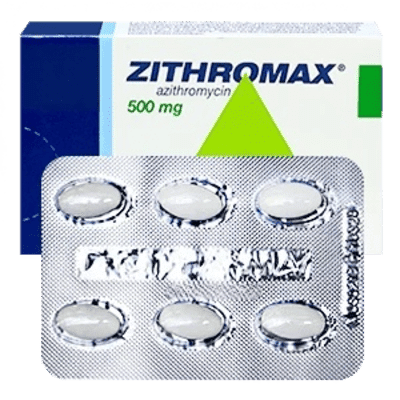
Zithromax
3 customer reviewsWhat is it?
Zithromax is a semisynthetic macrolide antibiotic chemically related to erythromycin. This drug is used to combat various types of microorganisms, including both gram-positive and gram-negative bacteria. This includes genera such as Staphylococcus, S. aureus, S. pneumoniae, and others. Its primary action is to inhibit protein synthesis in bacteria, preventing their growth and spread. This makes Zithromax effective in treating a variety of infections, including upper and lower respiratory tract infections, urogenital infections, intestinal infections, and gastric and duodenal ulcers.
Composition
Zithromax contains active ingredients that provide its effectiveness against a broad spectrum of bacteria. This antibiotic fights infections by disrupting their cellular structure.
- Azithromycin is the main active ingredient, which has the ability to inhibit bacteria that cause infections.
- Excipients, which may vary depending on the dosage form, serve to stabilize the drug.
- Tablet coating, which facilitates easy swallowing and protects the active ingredient until it dissolves in the intestine.
Zithromaxs formula allows it to be resistant to stomach acids, enhancing its effectiveness and allowing it to be used without food. This makes its use more flexible and convenient for patients requiring this treatment.
How to take it?
Zithromax requires strict adherence to a strict regimen to ensure maximum treatment effectiveness and avoid side effects. Despite any improvement in your condition, it is crucial not to interrupt treatment until its completion.
- Take the tablets with plenty of water to ensure proper dissolution and absorption.
- Prepare the liquid suspension by dissolving the contents of the packet in water and drinking immediately.
- The medication can be taken with or without food, but it is best to take the capsules on an empty stomach for best results.
It is important to adhere to the prescribed dosage and administration schedule to avoid bacterial resistance and adverse reactions.
How does it work?
Zithromaxs mechanism of action is based on its ability to influence bacterial cellular processes. As a macrolide antibiotic, it interferes with protein synthesis, which is critical for bacterial growth and reproduction. This leads to a gradual slowing of their vital functions and, ultimately, the destruction of pathogens.
Zithromaxs effectiveness is due to its active ingredient, azithromycin, which actively penetrates infected tissues. This property is particularly useful in the treatment of respiratory and genitourinary infections, where rapid achievement of therapeutic concentrations is essential. This approach not only eliminates the current infection but also prevents its spread to other body systems.
However, fighting bacteria takes time, and therefore, regular dosing is key to preventing relapses and the development of resistance in harmful microorganisms to therapy.
Indications
Zithromax is prescribed for various infectious diseases, targeting a wide range of bacteria.
- Respiratory tract infections such as tonsillitis, otitis, and sinusitis caused by bacteria.
- Gurogenital diseases, including urethritis and prostatitis, especially those caused by chlamydia and gonococci.
- Intestinal infections that require rapid and effective bacterial control.
- Systemic use for gastric and duodenal ulcers caused by pathogens such as Helicobacter pylori.
Indications may vary depending on the clinical presentation and specific medical recommendations of the treating physician.
Contraindications
There are some contraindications that should be considered when prescribing Zithromax. Its use is not recommended in cases that may increase the risk of adverse reactions or reduce the drugs effectiveness.
- Hypersensitivity to any of the drugs components, such as azithromycin or macrolide antibiotics in general.
- Use with caution in pregnant and lactating women, only if the benefit clearly outweighs the potential risks.
- Concomitant use with medications that may interact with azithromycin, reducing its effectiveness or increasing side effects.
Before starting treatment with Zithromax, it is important to discuss any allergies or previous reactions to antibiotics with your doctor to rule out any adverse reactions.
Side effects
Zithromax side effects can manifest in a variety of ways and require attention. It is important to recognize them early and seek medical attention if necessary.
- Gastrointestinal disturbances, such as diarrhea, nausea, or stomach pain, may occur while taking the medication.
- Heart rhythm disturbances, such as irregular heartbeats and associated symptoms.
- Allergic reactions, such as rash, itching, and other skin problems.
- Headaches and general weakness, which may be a consequence of taking an antibiotic.
If the following symptoms occur, discontinue use immediately and seek medical attention to minimize health risks.
Frequently asked questions
Reviews and Experiences
I was pleased with the results of my treatment with Zithromax. The respiratory infection cleared up quickly, and I didnt notice any side effects.
Despite some concerns about taking antibiotics, Zithromax proved effective in treating my condition. My recovery was significantly faster.
I was prescribed Zithromax to treat ear infections. The medication helped within a few days, and my overall symptoms began to improve almost immediately after I started taking it.