Verified
I took it after a stool test confirmed roundworm. The nausea was mild and lasted one evening. My appetite felt more normal after several days, not immediately.
22 Jan 2026

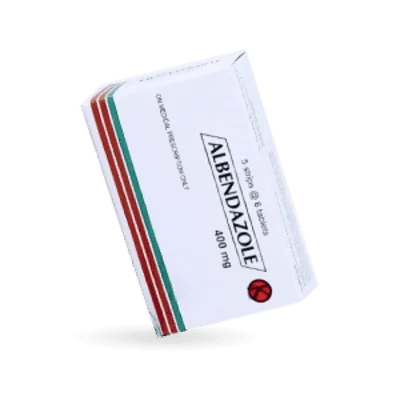
Albendazole is a benzimidazole antihelminthic medicine for selected intestinal helminth infections and, in some treatment plans, tissue-dwelling larval parasites. It targets parasites such as roundworms, hookworms, pinworms, Strongyloides, and certain Taenia solium infections.
Albendazole belongs to the benzimidazole class of antihelminthic medicines. It targets intestinal helminths and, in selected treatment plans, tissue-dwelling larval parasites. The dose is stated on the pack — follow the leaflet.
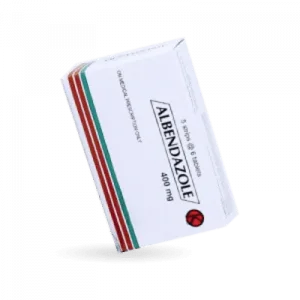
The pack is marked “ALBENDAZOLE 400 mg”. Albendazole belongs to the benzimidazole class of antihelminthic medicines.
Albendazole is a benzimidazole drug that acts after conversion in the liver to albendazole sulfoxide. This active metabolite binds to parasite beta-tubulin, a protein needed to build microtubules. Microtubules are tiny structural tracks inside cells that move nutrients and maintain cell shape. Once those tracks fail, the parasite cannot absorb glucose efficiently. Its energy stores fall, causing immobilization of the parasite and eventual death.
Human cells are much less affected at treatment doses because albendazole has a stronger affinity for helminth tubulin than human tubulin. The drug’s action is not instant. Worms may be immobilised before the body clears them from the intestine. That is why symptom relief and parasite clearance do not always occur on the same day.
The FDA prescribing information identifies albendazole sulfoxide as the pharmacologically active circulating metabolite and describes its tubulin-related anti-parasitic action [1].
Albendazole belongs to the benzimidazole class of antihelminthic medicines. It targets intestinal helminths and, in selected treatment plans, tissue-dwelling larval parasites.
Albendazole may be used for:
The target is the parasite, not the gut itself. This distinction matters because abdominal symptoms may settle quickly, while eradication still depends on the worm species and treatment course.
Albendazole and mebendazole are both benzimidazole drugs. They share a tubulin-based mechanism, yet their absorption and clinical uses are not identical.
| Treatment approach | Main clinical role | Key practical difference |
|---|---|---|
| Albendazole | Broad intestinal worm coverage; selected tissue infections | Its active metabolite reaches the bloodstream, supporting use beyond the gut in specialist regimens |
| Mebendazole | Common intestinal nematode infections | Less systemic absorption; often used when treatment is focused within the intestine |
| Ivermectin-based therapy | Strongyloidiasis and selected parasitic infections | Often preferred for Strongyloides stercoralis because of stronger eradication evidence |
Albendazole offers broad coverage, which can be useful when the parasite is uncertain or mixed infection is possible. Its limitation is that prolonged systemic exposure brings more need for liver and blood monitoring. Mebendazole may be sufficient for selected intestinal infections, while ivermectin may be the preferred option for strongyloidiasis.
Albendazole is not suitable if you have previously had an allergic reaction to albendazole or another benzimidazole medicine. Avoid it during pregnancy, particularly in the first trimester, unless a specialist decides that treatment is necessary. Speak with a clinician before treatment if you have liver disease, abnormal blood counts, seizures, suspected brain or eye parasites, or take medicines that may affect liver enzymes or albendazole exposure. Breastfeeding also requires individual clinical advice.
Short courses of Albendazole are often tolerated without major problems. The most common unwanted effects are stomach pain, nausea, vomiting, headache, and dizziness. Some people notice temporary changes in bowel habit after treatment, which may reflect both the medicine and the infection resolving.
More intensive courses can affect the liver or blood cell production. This is why clinicians may arrange liver-function tests and full blood counts during prolonged treatment. Fever, rash, severe tiredness, unusual bruising, jaundice, dark urine, or persistent upper-abdominal pain require prompt clinical assessment.
A practical point often missed is that headache or dizziness can occur even after a single tablet. Avoid driving or using machinery if you feel light-headed after taking Albendazole.
A study in hookworm-infected adults found that a single 400 mg dose was associated with changes in the gut microbiome after successful treatment, though this does not mean the medicine causes harmful microbiome disruption in routine use [2].
Several avoidable errors reduce the chance of successful treatment:
One small but useful detail: pinworm eggs are often deposited overnight around the anus. Morning itch can therefore be more suggestive than daytime stomach discomfort.
In clinical practice, doctors first try to identify the likely parasite rather than treating every abdominal symptom as worms. Recent travel, contaminated food or water exposure, household pinworm symptoms, animal contact, eosinophilia on blood tests, and stool results can all guide the choice of treatment.
A common expectation problem is assuming one tablet treats every parasite equally. Albendazole does not treat every parasite equally. Albendazole may be highly useful for roundworm or hookworm, while strongyloidiasis, neurocysticercosis, or hydatid disease need a more individual plan.
Doctors also look for anaemia, weight loss, persistent diarrhoea, or recurrent symptoms. These can signal a heavy infection, another gastrointestinal condition, or reinfection rather than a failure of the medicine itself.
Albendazole starts interfering with parasite energy use after absorption, but symptom relief can take several days. Dead or immobilised worms still need to be cleared by the body. The FDA prescribing information updated in 2021 describes albendazole’s active metabolite and its anti-parasitic mechanism. Persistent symptoms may need repeat testing rather than an extra unscheduled dose.
One 400 mg tablet is a recognised regimen for several uncomplicated intestinal helminth infections. The WHO 2017 preventive chemotherapy guideline includes single-dose albendazole for soil-transmitted helminths. Pinworm disease may require a further dose after two weeks because reinfection from eggs is common. Longer treatment is used only for selected diagnoses.
Albendazole has activity against Strongyloides stercoralis, yet its success can be lower than ivermectin-based therapy. CDC clinical guidance published in 2024 lists ivermectin as first-line treatment for uncomplicated strongyloidiasis. Strongyloidiasis deserves careful assessment because untreated infection can become severe in people taking corticosteroids or other immunosuppressive medicines. Stool testing can miss infection, so specialist testing may be used.
Liver effects are uncommon after a short intestinal-worm regimen but become more relevant with extended treatment. FDA safety information from 2021 advises liver monitoring during prolonged therapy. Symptoms such as yellow skin, dark urine, unusual tiredness, or severe abdominal pain need urgent assessment. Pre-existing liver disease increases the need for a tailored plan.
Albendazole is generally avoided during pregnancy unless the expected benefit clearly outweighs the risk. WHO guidance issued in 2017 addresses deworming in pregnancy within specific public-health settings and timing considerations. Individual treatment decisions depend on the parasite, severity of infection, stage of pregnancy, and alternatives. Do not start a longer course without pregnancy status being considered.
Albendazole and mebendazole are related benzimidazole antihelminthic medicines, but they are not interchangeable for every infection. Albendazole produces albendazole sulfoxide, which has more systemic activity after absorption. The National Library of Medicine’s 2024 clinical review describes their differing absorption profiles and treatment roles. Choice depends on the parasite and whether infection is confined to the intestine.
Your order will be securely packed and shipped within 24 hours. This is exactly what your package will look like (images of an actual item sent). It has the size and look of a regular private letter (24x11x0.7 cm) and its contents cannot be seen.