Verified
I took one capsule with my main meals and changed breakfasts first. The first week was awkward after a fried lunch, with oily spotting and a rush to the toilet. Once I cut down on cheese and sauces, that settled.
23 Jan 2026

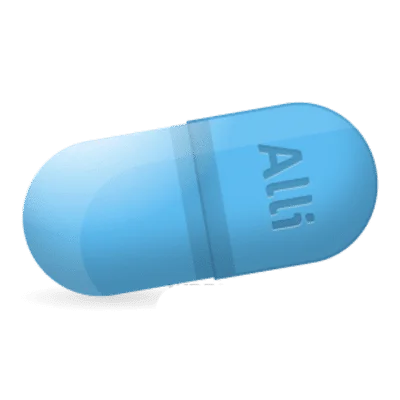
Alli is an oral medicine for weight management in adults aged 18 years and over with a BMI of 28 kg/m² or above. It is used alongside a reduced-calorie, lower-fat diet to support weight loss.
Alli is an oral weight-management medicine. It is for adults aged 18 years or over with a BMI of 28 kg/m² or above who are following a reduced-calorie, lower-fat diet. The dose is stated on the pack — follow the leaflet.
Alli capsules contain an active ingredient stated on the pack; the dose is stated on the pack — follow the leaflet. It is a medicine used to support weight loss alongside dietary changes and regular activity.
Take one Alli capsule with water immediately before, during, or up to one hour after each main meal that contains fat. Do not take more than three capsules in one day.
Do not take an extra capsule after a high-fat meal. A larger dose will not cancel the meal and may sharply increase oily stools, leakage, urgency, or wind.
Digestive enzymes called lipases normally split dietary fat into smaller molecules that the body can absorb. Orlistat blocks part of this enzyme activity, so some fat remains undigested and leaves the body in stool. The MHRA product information for orlistat describes this local gastrointestinal action and the need for a lower-fat eating plan. [1]
Orlistat does not block carbohydrates, protein, sugar, or alcohol calories.
Alli is intended for adults aged 18 years and over with a body mass index of at least 28 kg/m². BMI is calculated by dividing body weight in kilograms by height in metres squared. It is a screening measure, not a full assessment of health.
Alli may suit people who are ready to make practical dietary changes, such as reducing fried foods, pastries, creamy sauces, cheese-heavy meals, and large portions of oils or spreads.
Typical suitability factors include:
NICE guidance on overweight and obesity management places medicines within a wider plan involving nutrition, movement, sleep, and long-term behaviour change rather than as a stand-alone answer. [2]
Alli and higher-strength prescription orlistat share the same active ingredient and the same lipase-inhibition mechanism. The difference is dose, clinical context, and who the treatment is intended for.
| Feature | Alli | Higher-strength prescription orlistat |
|---|---|---|
| Active ingredient | Orlistat 60 mg | Orlistat 120 mg |
| Access | Pharmacy medicine for eligible adults | Prescribed after clinical assessment |
| Main use | Weight management with BMI from 28 kg/m² | Obesity management, often with added health risks |
The 60 mg approach may be suitable for adults starting a structured lower-fat plan. Higher-strength orlistat is used when a prescriber considers more intensive treatment appropriate, often where obesity-related risks such as type 2 diabetes, high blood pressure, or sleep apnoea are present.
Neither approach replaces diet. Both work best when meals are planned.
Allergy to orlistat
Chronic malabsorption syndrome
Cholestasis
Pregnancy
Concomitant use of ciclosporin
Kidney disease or a history of calcium oxalate kidney stones requires suitability assessment
Warfarin or other anticoagulants: reduced vitamin K absorption may alter blood clotting control.
Levothyroxine: separate doses by at least four hours because reduced absorption may affect thyroid treatment.
Antiepileptic medicines: seizure control may be affected if medicine absorption changes.
Diabetes medicines: weight loss and dietary changes can alter glucose needs.
Amiodarone: absorption may be reduced.
HIV medicines: treatment response may be affected in some people.
Alli is not suitable if you are allergic to orlistat, have a long-term condition that stops your body absorbing food normally, or have blocked or reduced bile flow from the liver. Do not use it during pregnancy, and do not combine it with ciclosporin. Speak with a healthcare professional before starting if you have kidney disease or a history of calcium oxalate kidney stones, or if you take regular medicines such as anticoagulants, thyroid treatment, epilepsy medicines, amiodarone, or HIV medicines.
Most side effects are digestive and linked to the amount of fat eaten. They are a direct result of undigested dietary fat passing through the bowel. For many people, these effects are strongest during the first weeks or after meals with more fat than planned.
Common effects include:
Serious allergic reactions are uncommon but need urgent attention. Signs include swelling of the face, lips, tongue, or throat; breathing difficulty; widespread rash; or severe itching. Persistent severe abdominal pain, yellowing of the skin or eyes, dark urine, or unusual bleeding also require prompt medical assessment.
A food diary can reveal why side effects occur. The useful detail is fat content, not only calorie totals.
In clinical practice, weight-management clinicians often describe Alli as a behavioural aid as much as a lipase inhibitor. The medicine gives a fast physical consequence after high-fat meals, which can help some people identify patterns they had underestimated.
Doctors also see a common mismatch in expectations. People may expect Alli to reduce hunger, cravings, stress eating, or portion size. It does none of these directly. Its role is narrower: it reduces absorption of some dietary fat.
A useful early target is consistent use with balanced meals rather than trying to create a perfect diet overnight. If eating feels out of control, or if binge eating, purging, or severe food restriction is present, weight-focused medicine needs a more individual clinical plan.
The WHO describes obesity as a chronic, relapsing condition influenced by biological, psychological, social, and environmental factors. [4]
Alli is intended for adults aged 18 years and over with a BMI of at least 28 kg/m² who are following a lower-calorie, lower-fat diet. BMI is a starting point rather than the only health measure. NICE guidance published in 2023 places weight-management medicines within a broader plan that includes nutrition and activity. People with chronic digestive conditions or relevant medicine interactions need an individual suitability assessment.
Orlistat begins acting in the digestive tract with meals containing fat, since it blocks some lipase activity during digestion. Changes in bowel habits may appear within the first few days if meals are high in fat. Meaningful weight change takes longer and depends on sustained calorie reduction. The 2004 XENDOS research showed benefit over time when orlistat was paired with lifestyle changes.
No capsule is needed when a meal is missed or contains no fat. Alli is designed for use with main meals that contain dietary fat. Taking it without food does not add a weight-loss benefit. MHRA (2023) product information for orlistat supports dosing around meals rather than routine dosing between meals.
No. Alli blocks only part of dietary-fat digestion, so some fat is still absorbed. It also does not block calories from carbohydrates, protein, sugary drinks, or alcohol. This is why a calorie-controlled eating plan remains necessary. FDA (2024) information on orlistat explains its effect on dietary fat and fat-soluble vitamin absorption.
Yes. Because it reduces dietary-fat absorption, it may reduce uptake of vitamins A, D, E, and K. A multivitamin can help maintain intake when taken at bedtime or at least two hours apart from Alli. This spacing reduces the chance that orlistat will interfere with vitamin absorption. The FDA prescribing information published in 2024 includes this precaution.
A high-fat meal can lead to oily stools, oily leakage, wind with discharge, loose stools, or sudden bowel urgency. These effects are related to undigested fat leaving the body. Reducing fat at the next meal is more useful than taking an additional capsule. WHO information updated in 2024 supports long-term dietary patterns rather than short-term corrective measures for weight management.
Your order will be securely packed and shipped within 24 hours. This is exactly what your package will look like (images of an actual item sent). It has the size and look of a regular private letter (24x11x0.7 cm) and its contents cannot be seen.
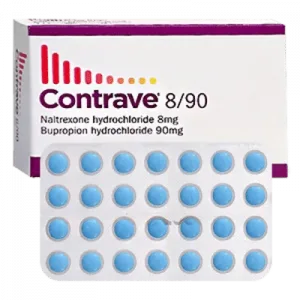
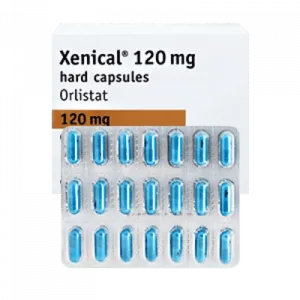
A lower-fat diet is not optional with Alli. It is part of the treatment method.
Alli is a branded form of orlistat at the 60 mg capsule strength. The medicine works through the same active ingredient used in higher-strength prescription orlistat treatment, though the dose and clinical supervision needs differ.
Its benefit is measurable but modest. Alli supports gradual weight loss when eating habits change at the same time. It cannot offset frequent high-fat meals, large portions, or long periods without physical activity.
Clinical studies of orlistat show that it can increase weight loss beyond diet alone when people take it consistently and reduce calorie intake. The effect varies widely because adherence to a lower-fat diet has a major influence on results.
The XENDOS trial published in Diabetes Care followed adults with obesity over four years and found that orlistat alongside lifestyle measures produced greater weight loss than lifestyle measures alone. It also reduced progression to type 2 diabetes in the study population. [3]
The limitation is clear: orlistat does not produce the larger average weight reductions seen with some newer injectable weight-management medicines. Its advantages are oral use and action within the gut. Its drawback is the digestive impact when dietary fat remains high.
