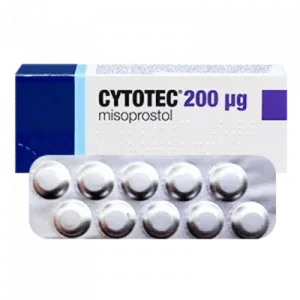



Verified
I took it with meals as prescribed while using anti-inflammatory tablets for my arthritis. The first few days brought loose stools, but taking every dose with food made it much more manageable.
5 Feb 2026

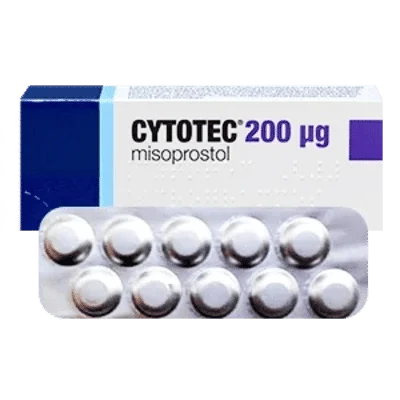
Cytotec is a medicine containing misoprostol, a synthetic prostaglandin analogue. It is for adults whose treatment plan requires prostaglandin activity, including uterine contraction or protection of the stomach lining. Its key benefits are stomach protection and stimulation of uterine smooth muscle.
Cytotec is a misoprostol tablet used to reduce the risk of gastric ulcers linked with anti-inflammatory medicines and, under specialist care, in selected obstetric and gynaecological treatments. Misoprostol replaces protective prostaglandin effects in the stomach and stimulates uterine smooth muscle.
Cytotec contains 200 micrograms of misoprostol per tablet. Misoprostol is a synthetic prostaglandin E1 analogue: it acts on prostaglandin receptors, which are involved in stomach mucus production, acid control, cervical softening, and uterine contraction.
Cytotec tablets contain 200 micrograms of misoprostol. The dose and route depend entirely on the clinical indication. Follow the prescribed route. Do not change the dose. Ask the treating service before repeating it.
For prevention of NSAID-related gastric ulcers, the standard adult regimen in the Cytotec prescribing information is 200 micrograms four times daily with meals and at bedtime. If that dose is not tolerated, a clinician may prescribe 100 micrograms four times daily. Taking it with food can reduce diarrhoea and abdominal discomfort [3].
For pregnancy-related care, specialist protocols use different schedules. Medical abortion and missed miscarriage regimens may involve several tablets together, and may use oral, buccal, sublingual, or vaginal administration. The selected method changes both the onset and side-effect pattern.
Common administration errors include:
For a missed oral ulcer-prevention dose, take it when remembered unless the next dose is due soon. Do not double the dose. Pregnancy-related doses should not be repeated or altered without the treating service’s instructions.
Misoprostol is a synthetic prostaglandin E1 analogue that acts on prostaglandin receptors. This prostaglandin activity supports stomach mucus production and acid control, while also causing cervical softening and uterine smooth-muscle contraction.
For ulcer prevention, Cytotec may be prescribed to people who need ongoing treatment with non-steroidal anti-inflammatory drugs, such as ibuprofen, naproxen, or diclofenac. These medicines can reduce the stomach’s natural protective mechanisms and raise ulcer risk.
Misoprostol can also be used in specialist reproductive care. Its uterine effects explain its role in medical abortion, management of missed miscarriage, cervical preparation, and induction of labour when prescribed in an appropriate clinical setting.
Medical abortion commonly uses two medicines with different actions: mifepristone and misoprostol. Mifepristone blocks progesterone, the hormone that supports pregnancy, while Cytotec causes uterine contractions and cervical softening to help empty the uterus.
WHO guidance describes misoprostol as a core medicine in evidence-based abortion care, with the route, dose, timing, pain relief, follow-up, and assessment for ectopic pregnancy determined by the gestation and clinical circumstances [1]. The Cochrane Database of Systematic Reviews also evaluates evidence on misoprostol regimens. Cytotec is not interchangeable with an individual treatment plan. The same active ingredient can be used by mouth, in the cheek pouch, under the tongue, or vaginally in specialist protocols, yet those routes absorb the medicine differently.
A missed miscarriage means that a pregnancy has stopped developing but pregnancy tissue has not yet passed from the uterus. It is a form of spontaneous abortion, a clinical term for pregnancy loss that occurs without an induced procedure.
Misoprostol causes contractions that can help the uterus pass pregnancy tissue. It may be offered as an alternative to waiting for natural completion or having a surgical procedure, depending on ultrasound findings, gestation, symptoms, medical history, and personal preference. NICE recommends mifepristone followed by misoprostol for medical management of missed miscarriage in suitable patients, with follow-up to confirm completion [2].
Cytotec and mifepristone are used together in many medical abortion and missed miscarriage protocols, but they do different jobs.
| Medicine | Main action | Role in combined care |
|---|---|---|
| Cytotec, containing misoprostol | Stimulates uterine contractions and softens the cervix | Helps the uterus expel pregnancy tissue |
| Mifepristone | Blocks progesterone activity | Prepares the pregnancy and uterus for misoprostol |
| Misoprostol alone | Produces prostaglandin effects | Used in selected protocols when mifepristone is not part of the plan |
The combined regimen is generally more effective for early medical abortion and missed miscarriage management than misoprostol alone in appropriate clinical settings. WHO’s 2022 abortion care guideline sets out evidence-based regimens and follow-up principles, including assessment of gestation and symptoms before treatment .
For NSAID-related ulcer prevention, mifepristone has no role. Cytotec’s benefit in that setting comes from restoring prostaglandin-mediated stomach protection.
This medicine is not for you if you have a known allergy to misoprostol, other prostaglandins, or any tablet ingredient.
Cytotec should not be used in pregnancy for NSAID-ulcer prevention because misoprostol can cause uterine contractions, miscarriage, premature birth, or fetal harm.
Extra caution or specialist assessment is needed for people with:
Antacids containing magnesium can worsen misoprostol-related diarrhoea. Medicines that affect bleeding, including anticoagulants, require individual review before pregnancy-related treatment. For induction of labour, misoprostol must be prescribed within obstetric care because excessive uterine stimulation can endanger both the pregnant person and fetus.
Do not use Cytotec for stomach protection if you are pregnant, because it can cause contractions, miscarriage, premature birth, or fetal harm. Pregnancy-related use is different and requires a defined clinical indication and an individual care plan.
Speak with the treating service before use if you might have an ectopic pregnancy, have an intrauterine device in place, have had a caesarean birth or major uterine surgery, or have serious heart disease. You should also tell the clinician if you have frequent diarrhoea, dehydration, anaemia, a bleeding disorder, or take anticoagulants.
Diarrhoea and abdominal cramping are among the best-recognised side effects when Cytotec is used for ulcer prevention. Nausea, vomiting, indigestion, headache, flatulence, chills, dizziness, fever, and uterine bleeding may also occur, depending on the indication and administration route.
The FDA prescribing information describes diarrhoea as dose-related and often occurring early in treatment. It usually settles, though persistent diarrhoea can lead to dehydration and may require treatment adjustment .
For reproductive indications, short-lived shivering, chills, raised temperature, nausea, vomiting, and diarrhoea can occur after misoprostol. These effects can feel alarming, yet they often resolve within several hours. A fever that continues, returns after improving, or occurs with increasing abdominal tenderness needs clinical assessment because infection is a separate concern.
Misoprostol can rarely cause severe allergic reactions. Swelling of the face or throat, wheezing, widespread rash, or difficulty breathing requires emergency care.
Misoprostol has a narrow margin for improvisation. These mistakes can increase discomfort, delay treatment, or make urgent symptoms harder to recognise.
In clinical practice, prescribers separate Cytotec use into two very different contexts: stomach protection during NSAID therapy and specialist reproductive care. The tablet strength may be the same, but the intended dose, route, monitoring, and expected effects are entirely different.
Doctors often see poor outcomes when a person assumes that stronger cramping means a better result, or that absent bleeding means another dose is needed. Neither assumption is reliable. The treatment plan, gestation, ultrasound findings, and medical history determine the next step.
A practical point from gynaecology care is that symptoms alone cannot always confirm completion after miscarriage or abortion treatment. Persistent bleeding, continued pregnancy symptoms, pain, or a positive follow-up test may need ultrasound or blood testing.
For NSAID-related ulcer prevention, misoprostol is absorbed after each dose, though its protective effect depends on regular use during NSAID treatment. For pregnancy-related care, cramping and bleeding often begin within hours, yet the timing varies between individuals. NICE miscarriage guidance, updated in 2023, recognises that follow-up is needed when symptoms do not follow the expected course .
Ibuprofen may be used for cramping in many reproductive-care protocols if it is suitable for the person’s health history. It is also an NSAID, so people using Cytotec for ulcer prevention may already be taking it for pain or inflammation. The FDA Cytotec label from 2018 describes its use specifically to lower ulcer risk in people receiving NSAIDs .
Yes. Diarrhoea, abdominal pain, and nausea are common misoprostol effects, especially with oral use for stomach protection. Taking ulcer-prevention doses with meals can help, while magnesium-containing antacids may make diarrhoea worse. FDA prescribing information published in 2018 identifies diarrhoea as a recognised, dose-related adverse effect .
Misoprostol can cause uterine contractions and is harmful when pregnancy is unintended in the context of ulcer prevention. It is also used deliberately in specialist pregnancy care, including medical abortion, missed miscarriage management, and some induction protocols. WHO’s 2022 guidance makes clear that reproductive use requires an evidence-based regimen matched to gestation and clinical circumstances .
Urgent help is needed for very heavy bleeding, fainting, severe persistent pain, breathing difficulty, or fever that persists beyond 24 hours after use. Soaking two large sanitary pads each hour for two consecutive hours is a commonly used threshold for urgent assessment in abortion and miscarriage aftercare. The MHRA’s Yellow Card scheme also supports reporting suspected medicine side effects, including serious reactions [4].
Yes, misoprostol may be used to help the uterus pass pregnancy tissue after a missed miscarriage. NICE recommends a regimen involving mifepristone followed by misoprostol for appropriate cases, with a follow-up process to confirm completion. The guidance was updated in 2023 and includes pathways for ongoing symptoms or incomplete miscarriage .
Your order will be securely packed and shipped within 24 hours. This is exactly what your package will look like (images of an actual item sent). It has the size and look of a regular private letter (24x11x0.7 cm) and its contents cannot be seen.
