
Verified
I took Dulcolax after several days of hard stools. It worked by the following morning and the cramps were mild. I made sure I had no early meeting planned.
27 Feb 2026

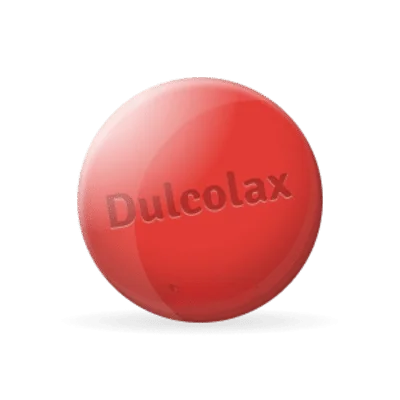
Dulcolax is an oral stimulant laxative tablet for occasional constipation. It is intended for adults and older children who need help passing hard, dry stool. By stimulating bowel activity, it can help prompt a bowel movement.
Dulcolax is an oral laxative tablet for short-term relief of occasional constipation. It is intended for adults and older children who need help passing hard, dry stool. The medicine stimulates bowel activity, which can prompt a bowel movement after the tablet has passed through the stomach.
Dulcolax is an oral stimulant laxative tablet for short-term relief of occasional constipation. It is intended for adults and older children who need help passing hard, dry stool. The exact product details and directions are stated on the pack.
Dulcolax tablets are commonly used in the evening when overnight relief is wanted. Stimulant laxative tablets often work within 6 to 12 hours, though response varies with bowel activity, food intake, hydration and the severity of constipation.
Some people have a bowel movement early the next morning. Others need longer. Taking extra tablets because nothing happens after a few hours raises the chance of painful cramps, diarrhoea and dehydration.
Use is short-term.
The tablet travels through the stomach and begins its intended action lower in the digestive tract. Stimulant laxatives increase peristalsis, the coordinated squeezing motion that moves stool through the colon.
Peristalsis is a normal bowel function. During constipation, this movement may be too slow, allowing more water to be absorbed from stool and making it drier and firmer.
Dulcolax helps trigger this movement. It may also increase water and electrolyte secretion into the bowel, which can make stool easier to pass. The result is often a more complete bowel movement, though abdominal cramps can occur as the bowel becomes more active.
MHRA product information for stimulant laxative tablets describes their use as short-term treatment for constipation and warns against prolonged self-treatment [2].
Constipation can mean fewer bowel movements than usual, straining, or stools that are dry, hard and difficult to pass. Dulcolax is used when these symptoms are occasional rather than part of an ongoing bowel problem.
Its role is short-term relief. It can be useful after changes in routine, reduced fluid intake, travel, inactivity, or a temporary dietary change have slowed the bowel.
The NHS describes stimulant laxatives as treatments that encourage the bowel to move stool along, rather than simply adding bulk to it [1].
Hard, dry stools can cause discomfort, straining and a feeling that the bowel has not fully emptied. By stimulating bowel movement, Dulcolax can help move retained stool towards the rectum and make passage less difficult.
The medicine is most suitable for occasional constipation where stool has become difficult to pass. It is less suited to long-term management of recurrent constipation, where fibre intake, fluid intake, toileting routine and an osmotic laxative may be considered depending on the cause.
A useful expectation is relief, not instant normality. The first bowel movement after constipation may still be firmer than usual, and a brief period of cramping can occur before it happens.
Dulcolax is a stimulant laxative. Bulk-forming and osmotic laxatives work differently and may suit different constipation patterns.
| Laxative category | Main action | Typical role |
|---|---|---|
| Stimulant laxative such as Dulcolax | Stimulates bowel contractions | Short-term relief when a bowel movement is needed |
| Bulk-forming laxative | Adds water-holding fibre to stool | Gradual support for constipation linked with low fibre intake |
| Osmotic laxative | Draws water into the bowel | Softer stool and regular treatment plans where suitable |
Bulk-forming products need adequate fluid intake and may take several days to help. Osmotic laxatives may be preferred for repeated hard stools because they focus on stool water content rather than bowel stimulation.
Dulcolax may act sooner, which is its practical advantage. The trade-off is a greater chance of cramping or urgency. NICE guidance on constipation management supports matching the laxative category to symptoms, response and individual clinical factors [4].
This medicine is not for you if you have a known bowel obstruction, ileus, severe inflammatory bowel disease, acute abdominal conditions requiring urgent assessment, severe dehydration, or an allergy to a tablet ingredient.
Do not use Dulcolax for unexplained abdominal pain accompanied by nausea or vomiting.
Extra care is needed in the following situations:
Long-term or frequent stimulant laxative use can make it harder to identify the cause of constipation and may disturb fluid and electrolyte balance. NHS guidance advises against using bisacodyl every day for more than five days without clinical review [3].
Do not take Dulcolax if you have unexplained abdominal pain with nausea or vomiting, because these symptoms may need urgent assessment. Seek medical advice before using it if constipation is new and accompanied by weight loss, bleeding or a lasting change in bowel habits. Extra care is needed if you have kidney or heart problems, become dehydrated easily, take water tablets, corticosteroids or digoxin, are pregnant or breastfeeding, or are considering it for a child.
Most people tolerate short-term stimulant laxative use without serious problems. The most common effects are related to increased bowel activity.
Urgency can occur.
Diarrhoea is more likely if the dose is excessive or if another laxative is used at the same time. Repeated diarrhoea can lead to dehydration and changes in potassium or sodium levels. Warning signs include thirst, dizziness when standing, unusual weakness, very dark urine, muscle cramps or an irregular heartbeat.
Stop using Dulcolax and seek urgent medical assessment for severe or persistent abdominal pain, vomiting, rectal bleeding, fainting, or a swollen abdomen with inability to pass stool or wind. These symptoms can indicate something more serious than routine constipation.
One practical detail is easy to miss: constipation often improves when people set aside unhurried toilet time after breakfast. The gastrocolic reflex, a natural increase in bowel activity after eating, can be stronger then.
In clinical practice, clinicians usually view Dulcolax as a practical short-term option when constipation is occasional and a bowel movement is needed within a predictable window. It is often more appropriate for a brief episode than for months of recurring symptoms.
Doctors also look for the pattern behind the constipation. Constipation that started after an opioid pain medicine, iron supplement, antidepressant, calcium treatment or major change in mobility may need a medicine review rather than repeated stimulant laxative doses.
A clinician would expect relief within a short period. Persistent symptoms, dependence on laxatives, or recurrent pain changes the clinical picture and calls for assessment of the cause.
Children can experience constipation for many reasons, including stool withholding, diet changes and toilet-training difficulties. NHS information published in 2023 advises that constipation in children should be managed with age-appropriate treatment plans, since the suitable medicine and amount depend on age and symptoms. Dulcolax should only be used for a child when it is appropriate for their age and recommended by a qualified prescriber or pharmacist. Blood in stool, vomiting, abdominal swelling or poor growth need medical assessment rather than repeated laxative treatment.
Dulcolax is designed for short-term use, not ongoing daily bowel management. MHRA medicine information available in 2024 warns that frequent or prolonged stimulant laxative use can contribute to fluid and electrolyte disturbances. If constipation has not improved within five days, or keeps returning, the cause should be assessed. Long-term management may involve dietary changes, reviewing medicines, or using a different laxative approach.
Allow the expected overnight window before judging the result, because stimulant tablets do not usually act immediately. NHS guidance from 2023 advises seeking clinical advice if constipation persists despite treatment or is accompanied by symptoms such as abdominal pain, vomiting or bleeding. Do not keep increasing the dose over successive hours. Severe pain, a swollen abdomen, or inability to pass wind requires urgent assessment.
Interactions are most relevant with medicines that affect fluid balance or potassium levels, including diuretics, corticosteroids and digoxin. MHRA information updated in 2024 highlights electrolyte imbalance as a concern when stimulant laxatives are overused. Separate timing may also be needed for some medicines because diarrhoea can affect absorption. People taking several regular medicines should obtain individual advice before combining treatments.
Constipation is common during pregnancy, yet the most suitable treatment depends on gestation, symptoms, diet and other medicines. The NHS pregnancy medicines guidance published in 2023 advises starting with lifestyle measures where possible and selecting medicines individually when they are needed. Short-term laxative treatment may be considered by a clinician, but persistent constipation, abdominal pain or bleeding should be assessed. The same caution applies while breastfeeding.
Yes. Cramping occurs because stimulant laxatives increase bowel contractions, and it may be felt shortly before a bowel movement. The WHO’s 2023 guidance on managing diarrhoeal fluid loss supports prompt replacement of fluids when loose stools occur. Mild cramps that settle after opening the bowels are common, while severe, persistent or localised pain is not typical. Stop the medicine and seek assessment if severe pain is combined with vomiting, fever or abdominal swelling.
Your order will be securely packed and shipped within 24 hours. This is exactly what your package will look like (images of an actual item sent). It has the size and look of a regular private letter (24x11x0.7 cm) and its contents cannot be seen.
