Verified
I used Abana alongside cutting back on cheese and weekday wine. I did not feel different, which I expected, but having a set routine helped me stay focused until my next blood test.
26 Sept 2026

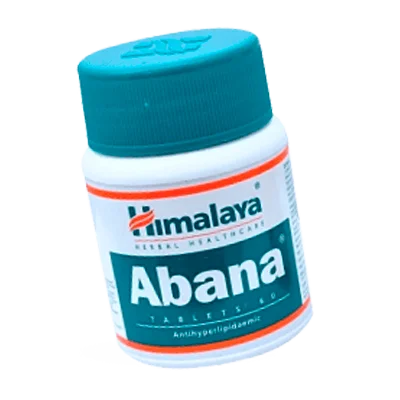
Abana is an oral herbal tablet for supportive antihyperlipidaemic care. It is intended for adults working on healthy blood-lipid management alongside diet and lifestyle measures. Its benefit is to complement a consistent heart-health routine rather than replace clinically indicated lipid-lowering treatment.
Abana is a herbal tablet product presented for antihyperlipidaemic support. It is intended for adults seeking to support healthy blood-lipid management alongside dietary and lifestyle measures. Its role is supportive, not a replacement for prescribed treatment when cardiovascular risk is high.
Abana is a herbal tablet product for supportive antihyperlipidaemic care in adults. The available information does not specify its individual herbal ingredients or amounts; refer to the product pack for the exact composition.
Take Abana tablets by mouth with water and use them consistently according to the dosing directions provided for this product. Establishing a regular time helps prevent missed doses and makes it easier to judge whether the routine suits you.
A practical daily routine may include:
If a dose is missed, resume the normal schedule at the next planned time. Do not take an extra amount to make up for a missed dose.
Consistency matters because lipid management is assessed over weeks and months through blood tests, not by how a person feels on a given day. NICE guidance on cardiovascular risk reduction places diet, physical activity, weight management, smoking cessation, and evidence-based lipid treatment within the same long-term prevention strategy [2].
Cholesterol is essential for cell membranes, hormone production, and bile-acid formation. Problems arise when LDL cholesterol remains high in circulation because LDL particles can enter artery walls and promote plaque formation.
Antihyperlipidaemic approaches aim to improve the lipid profile through one or more pathways:
Prescribed lipid-lowering medicines have defined mechanisms and clinical outcome evidence. Statins, for example, inhibit HMG-CoA reductase in the liver and increase LDL-receptor activity, which lowers circulating LDL cholesterol. Herbal products such as Abana occupy a different role: they may be used alongside healthy routines, but they are not a substitute for intensive lipid lowering when a clinician has identified a clear treatment indication.
Abana comes as tablets in a bottle and is positioned for antihyperlipidaemic use, meaning support related to blood lipids such as cholesterol and triglycerides. Blood lipids are fats carried in the bloodstream; raised levels can contribute to atherosclerosis, where fatty material builds up inside arteries over time.
For people with mildly raised cholesterol identified during routine testing, lifestyle changes remain the foundation of care. The World Health Organization links cardiovascular risk reduction to a balanced diet, regular movement, avoiding tobacco, and management of blood pressure, glucose, and lipids [1].
Abana may suit a person who wants an oral herbal product as part of a consistent heart-health routine. It should not be expected to produce the same LDL-cholesterol reduction as a prescribed statin in people with established cardiovascular disease, diabetes with elevated risk, familial hypercholesterolaemia, or markedly raised LDL cholesterol.
Abana is best understood as one element of a broader lipid-management plan. The most suitable approach depends on LDL cholesterol, triglycerides, medical history, family history, and estimated cardiovascular risk.
| Approach | Main role | Usual place in care |
|---|---|---|
| Abana herbal tablets | Supportive antihyperlipidaemic routine | Adults pursuing lifestyle-led lipid support |
| Diet and activity measures | Improves lipid profile and wider cardiovascular health | Recommended for nearly everyone with raised lipids |
| Prescription lipid-lowering therapy | Measurable reduction of LDL cholesterol or triglycerides | Higher-risk patients or persistently raised lipid levels |
Dietary measures can have a meaningful effect. Replacing saturated fats with unsaturated fats, increasing soluble fibre from foods such as oats and pulses, and reducing excess alcohol can help address cholesterol or triglyceride patterns. The drawback is that lifestyle change alone may not lower LDL enough for someone with inherited high cholesterol or established arterial disease.
Prescription treatment is more potent and has defined treatment targets. It can also cause adverse effects and requires clinical selection. Abana may be a reasonable supportive option for an adult whose plan focuses on regular habits, but it should not delay assessment of persistently abnormal results.
Abana is not for you if you have had an allergic reaction to Abana or any of its components.
Use requires extra caution in the following situations:
People using warfarin or another anticoagulant should not add herbal products casually. Changes in diet, supplements, illness, or medicines can affect bleeding risk or blood-test stability. Anyone taking a statin, ezetimibe, fibrate, or injectable lipid-lowering therapy should keep their treatment plan stable unless their prescriber changes it.
Do not use Abana if you have previously reacted badly to it or any of its ingredients. Speak to a clinician before using it if you are pregnant or breastfeeding, have liver or kidney problems, are preparing for surgery, take medicines for cholesterol, blood clotting, diabetes, or other regular conditions, or have very high lipid levels or known cardiovascular disease. Seek medical assessment instead of changing supplements if you have chest pain, stroke symptoms, black stools, yellowing of the skin, or severe upper-abdominal pain.
Herbal tablets are often well tolerated, though reactions are still possible. Mild digestive upset, nausea, abdominal discomfort, altered bowel habit, headache, or sensitivity to a component can occur with oral herbal products.
Stop using Abana and seek urgent medical help if swelling of the lips, tongue, or throat, wheezing, widespread hives, fainting, or severe breathing difficulty develops. These symptoms may indicate a serious allergic reaction.
Blood-lipid conditions themselves do not usually cause stomach symptoms or headaches. A new symptom that begins after starting a tablet may be related to the product, a dietary change, another medicine, or an unrelated illness. Keeping a short note of timing, meals, and other medicines is more useful than trying to judge from memory weeks later.
The MHRA’s Yellow Card Scheme collects suspected side-effect reports for medicines and herbal products, helping its safety monitoring work [3].
In clinical practice, clinicians usually focus first on the lipid pattern and the person’s cardiovascular risk rather than on total cholesterol alone. LDL cholesterol drives many treatment decisions, while triglycerides can point toward alcohol intake, insulin resistance, diabetes, or dietary excess.
A doctor may support an herbal lipid-management routine when it sits alongside sustained lifestyle measures and regular lipid testing. The limitation is clear: a person at high cardiovascular risk should not use a supportive product as a reason to postpone prescribed treatment. European Society of Cardiology prevention guidance bases lipid intervention intensity on total cardiovascular risk, not on a single reading in isolation [4].
One common clinical observation is that people judge success too early. Cholesterol management is quiet work. There may be no physical sensation when LDL falls, so laboratory follow-up is the meaningful measure.
No. Abana is a supportive herbal tablet for lipid management and should not replace prescribed lipid-lowering therapy for people with established cardiovascular disease, familial hypercholesterolaemia, or a clinician-defined high-risk profile. NICE guidance published in 2023 supports treatment decisions based on cardiovascular risk and lipid results, not preference for supplements alone. Stopping a prescribed statin without medical direction can allow LDL cholesterol to rise again.
Lipid changes are assessed through blood testing rather than daily symptoms. A clinician commonly arranges follow-up based on the person’s starting result, other medicines, and cardiovascular risk. The WHO’s 2021 cardiovascular-risk guidance emphasises ongoing management of modifiable factors, including lipids, blood pressure, tobacco exposure, diet, and physical activity. A repeat test provides a clearer answer than trying to estimate progress from how you feel.
Combining an herbal product with a statin deserves a medication review, especially if other regular medicines are also used. Statins have established evidence for LDL reduction and cardiovascular prevention in appropriately selected people, while herbal products may add uncertainty around tolerability and interactions. The EMA’s herbal-medicine quality guidance, published in 2016, reflects the need for consistent evaluation of herbal preparations used in healthcare. Do not alter prescribed statin treatment on the basis of an herbal routine. [5]
Very high LDL cholesterol, markedly elevated triglycerides, diabetes with abnormal lipids, kidney disease, or a family history of premature heart disease all justify timely clinical assessment. Very high triglycerides can increase the risk of pancreatitis, which may cause severe upper-abdominal pain, vomiting, and acute illness. European Society of Cardiology guidance from 2021 treats lipid management as part of broader cardiovascular-risk prevention. A clinician can interpret the pattern and decide whether prescribed treatment is needed.
No oral product is completely free from the possibility of side effects. Digestive discomfort, headache, or allergic reactions can occur, and the risk may be higher when several supplements or medicines are used together. The MHRA’s 2024 Yellow Card Scheme accepts reports of suspected adverse reactions involving herbal products as well as conventional medicines. Severe allergy symptoms require urgent help.
Yes. Food choices, weight management, physical activity, alcohol intake, and smoking status affect cardiovascular risk independently of any tablet. NICE guidance from 2023 includes lifestyle intervention as a core part of reducing cardiovascular risk. Soluble fibre, unsaturated fats, vegetables, pulses, and regular activity can support healthier lipid levels over time. For raised triglycerides, reducing alcohol and added sugars can be especially relevant.
Your order will be securely packed and shipped within 24 hours. This is exactly what your package will look like (images of an actual item sent). It has the size and look of a regular private letter (24x11x0.7 cm) and its contents cannot be seen.





