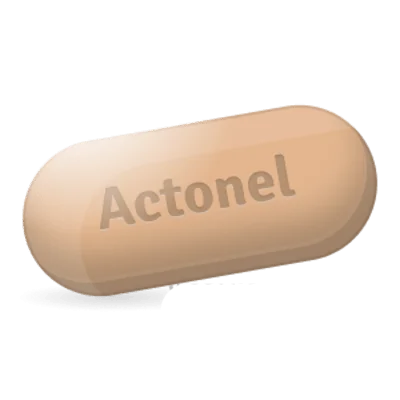
Actonel is a risedronate sodium bisphosphonate tablet for people with osteoporosis or Paget’s disease of bone. It is used in postmenopausal women, men with fragile bones, and adults at increased fracture risk. By slowing excessive bone breakdown, it helps preserve bone mass and lower the risk of fractures.
Description
Actonel is a bisphosphonate tablet containing risedronate sodium for people with osteoporosis or Paget’s disease of bone. It is prescribed for postmenopausal women, men with fragile bones, and adults at increased fracture risk. Risedronate slows excessive bone breakdown, helping to preserve bone mass and lower fracture risk.
Composition
Risedronate sodium is the active ingredient in Actonel. It is a nitrogen-containing bisphosphonate, a medicine that reduces the activity of osteoclasts, the cells responsible for breaking down bone tissue.
Dosage and usage
Actonel is taken as an oral tablet according to the regimen selected for the condition being treated. Risedronate treatment may be prescribed on different schedules, and the regimen should remain consistent rather than being changed from one schedule to another without clinical advice.
The tablet must be swallowed whole. Do not crush, chew, or suck it, since direct contact with the mouth or oesophagus can cause irritation.
A usual administration routine includes:
Take Actonel first thing in the morning after getting up.
Use plain water only.
Swallow the tablet whole with a full glass of water.
Take it before food, drinks, supplements, or other oral medicines.
Remain sitting or standing for at least 30 minutes.
Wait at least 30 minutes before eating, drinking anything other than water, or taking other medicines.
Plain water is best. Tea, coffee, juice, mineral water, and milk may reduce absorption or complicate the timing.
A common practical routine is to keep the tablet and a glass of water beside the bed, take it immediately after waking, then shower or get dressed while the 30-minute interval passes.
If a dose is missed, the right response depends on the prescribed schedule. Do not take two tablets on the same day to compensate. The FDA prescribing information for risedronate gives regimen-specific missed-dose directions and stresses avoiding double doses [3].
Actonel is poorly absorbed if it is taken with food or with minerals. Calcium, magnesium, aluminium, and iron can bind to risedronate in the gut, leaving less medicine available for absorption.
This is why timing is more than a routine detail. Taking the tablet with breakfast or a calcium-containing drink may make a correctly prescribed treatment less useful.
Avoid taking Actonel at the same time as:
Calcium supplements
Iron tablets
Magnesium-containing products
Aluminium-containing indigestion remedies
Multivitamins containing minerals
Milk, yoghurt, fortified drinks, or mineral-rich water
Antacids can still be used when needed, but they should be taken later in the day, separated from Actonel by the recommended interval. The same applies to calcium and vitamin D supplements.
How it works
Risedronate belongs to the bisphosphonate class. These medicines attach to bone surfaces where turnover is active and reduce osteoclast activity. Over time, this can improve bone mineral density and reduce the chance of fractures in vulnerable areas such as the spine and hip [1].
This action gives bone-forming cells more opportunity to rebuild and mineralise bone. It does not create new bone instantly, and it does not repair an established fracture overnight. Its value lies in reducing the excessive rate of bone loss that makes fractures more likely.
The European Medicines Agency describes risedronate as a treatment for diseases involving increased bone resorption, meaning bone is being removed too quickly for normal replacement to keep pace [2].
Indications
Actonel is prescribed for conditions where bone strength has been reduced or bone turnover is abnormal. The treatment goal is to lower fracture risk and maintain structural bone strength.
Common reasons for prescribing include:
Postmenopausal osteoporosis, when lower oestrogen levels accelerate bone loss.
Osteoporosis in men, especially where bone-density assessment indicates increased fracture risk.
Glucocorticoid-induced osteoporosis, linked with long-term use of corticosteroids such as prednisolone.
Paget’s disease of bone, a condition in which bone remodelling becomes disorganised and can cause pain, deformity, or fracture.
Paget’s disease affects bone quality rather than simply reducing bone density. Risedronate can reduce the excessive bone turnover that drives this condition.
Comparison
Actonel is one established option for osteoporosis, though the most suitable treatment depends on fracture history, kidney function, ability to follow tablet instructions, and individual risk level.
Treatment approach
How it works
Typical practical consideration
Risedronate sodium
Reduces osteoclast-driven bone breakdown
Oral administration requires fasting and upright posture
Alendronic acid
Bisphosphonate that reduces bone resorption
Similar administration requirements and digestive limitations
Denosumab
Antibody treatment that reduces osteoclast formation
Given by injection and requires a plan for treatment continuation or transition
Risedronate may suit people who can reliably follow the empty-stomach instructions and prefer an oral treatment. Injectable options can be considered when oral bisphosphonates cause persistent oesophageal symptoms or cannot be used because of swallowing difficulties.
Generic risedronate sodium contains the same active substance as Actonel. UK medicines regulation requires generic medicines to demonstrate bioequivalence, meaning the active ingredient reaches the body at a comparable rate and extent to the reference medicine.
Contraindications
Actonel is not for you if you have a known allergy to risedronate sodium or another ingredient in the tablet.
It is also unsuitable or requires specialist assessment in the following situations:
You cannot sit or stand upright for at least 30 minutes after swallowing a tablet.
You have an oesophageal narrowing, delayed oesophageal emptying, or another condition that makes swallowing difficult.
You have low blood calcium that has not been corrected.
You have severe kidney impairment.
You are pregnant or breastfeeding, unless a specialist has made a clear individual decision.
You have active upper digestive tract disease with severe swallowing symptoms.
Low calcium should be corrected before bisphosphonate therapy begins. Vitamin D deficiency may also need treatment because vitamin D is necessary for normal calcium absorption and bone mineralisation.
When this is not for you
You may need a different treatment or specialist advice if you cannot remain upright for 30 minutes after taking the tablet, have trouble swallowing, or have a condition affecting the oesophagus. Actonel may also be unsuitable if you have untreated low calcium, severe kidney problems, are pregnant or breastfeeding, or have severe upper digestive symptoms.
Tell your doctor about medicines that irritate your stomach or oesophagus. Non-steroidal anti-inflammatory drugs such as ibuprofen or naproxen may increase upper gastrointestinal discomfort in some people when combined with a bisphosphonate.
People using corticosteroids need extra dental awareness because steroids can add to the risk factors for jaw complications. Tell the dentist or dental surgeon that you take Actonel before an extraction, implant, or jaw surgery.
Side effects
Most people tolerate Actonel without severe effects. Digestive symptoms are the most familiar limitation, and careful administration lowers the chance of oesophageal irritation.
Possible common effects include:
Indigestion or heartburn
Stomach pain
Nausea
Diarrhoea or constipation
Headache
Muscle, joint, or bone pain
Mild stomach symptoms may settle after the first doses. Persistent heartburn, painful swallowing, chest pain, or pain when swallowing needs prompt medical assessment because these symptoms can indicate irritation or inflammation of the oesophagus.
Rare but serious adverse effects include osteonecrosis of the jaw and atypical fractures of the thigh bone. Osteonecrosis means an area of jawbone has impaired healing, usually after a dental extraction in a person with additional risks. An atypical femur fracture can be preceded by dull aching pain in the thigh, hip, or groin for days or weeks before a complete fracture occurs. The MHRA has issued safety advice on recognising this warning symptom during long-term bisphosphonate treatment [4].
Stop taking Actonel and seek urgent medical help if there is facial swelling, wheezing, widespread hives, or trouble breathing. These can indicate an allergic reaction.
Common mistakes
Taking Actonel with breakfast is one of the most frequent mistakes. Even a small amount of food can markedly reduce absorption.
Another mistake is swallowing the tablet with too little water, then lying down again. This increases the chance that the tablet remains in the oesophagus and causes irritation.
People also sometimes stop treatment because they cannot feel it working. Osteoporosis is usually silent until a fracture occurs, so the benefit is preventative.
Other avoidable problems include:
Taking calcium or an antacid with the morning tablet
Doubling up after a forgotten dose
Ignoring new thigh, hip, or groin pain
Failing to mention Actonel before dental surgery
Assuming a normal-looking posture means bone density is normal
If morning nausea makes fasting tablets difficult, discuss the timing problem with the prescriber rather than changing the routine alone. A different osteoporosis strategy may be more suitable.
What doctors say
In clinical practice, doctors often explain that Actonel works quietly. The treatment is judged by fracture prevention, bone-density trends, and long-term risk reduction rather than an immediate sensation after taking a tablet.
A clinician will usually review calcium intake, vitamin D status, fall risk, smoking, alcohol intake, steroid exposure, and previous fractures alongside treatment. Bone medicine does not remove the value of strength exercise, balance training, adequate protein, and fall-prevention measures.
The 2024 National Osteoporosis Guideline Group guideline supports bisphosphonates as first-line options for many adults at high fracture risk, with treatment choice tailored to clinical circumstances [5].
Frequently asked questions
How long does Actonel take to work?
Actonel begins reducing bone turnover after treatment starts, but the meaningful benefit is long-term fracture prevention rather than a rapid physical effect. Bone-density changes are usually assessed over many months, often through planned follow-up rather than day-to-day symptoms. The 2024 NOGG guideline frames osteoporosis treatment around future fracture-risk reduction and periodic review. Pain relief should not be expected unless another cause of pain is being treated separately. The prescriber may also use fracture history and bone-density results when reviewing the treatment response.
Can Actonel be taken with calcium and vitamin D?
Calcium and vitamin D are often part of a bone-health plan, but calcium must not be taken at the same time as Actonel. Calcium can bind risedronate in the gut and reduce absorption. NICE guidance reviewed in 2023 supports adequate calcium and vitamin D intake as part of osteoporosis management, while maintaining correct separation from oral bisphosphonates. Taking calcium later in the day is a practical option.
What happens if an Actonel dose is missed?
Do not take two tablets on the same day. The appropriate next step depends on the regimen prescribed, so missed-dose instructions should follow the schedule set for you. FDA guidance published in 2023 provides different advice for different risedronate schedules. A repeated missed-dose pattern is worth raising during a medicine review because a different dosing approach may fit better.
Can Actonel cause jaw problems?
Osteonecrosis of the jaw is rare with oral risedronate, but the risk rises with invasive dental treatment, poor oral health, cancer treatment, corticosteroid use, and longer bisphosphonate exposure. The MHRA’s 2014 drug-safety advice recommends attention to persistent mouth pain, swelling, loose teeth, or delayed healing after dental work. Inform dental professionals before invasive procedures. Do not stop Actonel independently before dental care unless the prescriber has advised this.
Is thigh pain relevant while taking Actonel?
New unexplained pain in the thigh, hip, or groin should be assessed, especially when it persists or affects walking. Rare atypical femur fractures can develop gradually and may produce warning pain before a complete break occurs. The MHRA highlighted this association in its 2014 bisphosphonate safety update. Ordinary muscle soreness after exercise is common, yet persistent deep aching deserves attention.
Can Actonel be used after a fracture?
Yes, Actonel may be prescribed after a low-impact fracture because one fragility fracture increases the risk of another. The World Health Organization described fragility fractures as a major consequence of osteoporosis in its 2023 osteoporosis information resources. Treatment plans also address falls prevention, nutrition, muscle strength, and bone-density monitoring. The precise timing after surgery or an acute fracture is decided by the treating clinical team.
Do you offer anonymous delivery?
Your order will be securely packed and shipped within 24 hours. This is exactly what your package will look like (images of an actual item sent). It has the size and look of a regular private letter (24x11x0.7 cm) and its contents cannot be seen.
I had no obvious feeling from the tablets, which worried me at first. My nurse explained that the point was preventing another fracture, not easing a symptom. I set a phone reminder for the same morning each week and it became routine.
27 Aug 2026
M
Martin, 71
Leeds
Five months
Verified
Rating: 4.5 out of 5
The first time I took it, I had coffee soon afterwards and later realised that was not the right way. Once I switched to water only and waited before breakfast, I had no stomach trouble.
4 Sept 2026
R
Ruth, 63
Glasgow
Three months
Verified
Rating: 3.5 out of 5
I had heartburn twice in the first few weeks. It improved when I used a bigger glass of water and stayed upright while reading the news. I still mentioned it at my review because I did not want to ignore chest discomfort.
15 Sept 2026
D
David, 74
Cardiff
Nearly a year
Verified
Rating: 4.5 out of 5
The routine was awkward because I take calcium too. I moved my supplement to the evening and kept Actonel for early morning. It took planning, but I have not missed a dose since.
23 Sept 2026
Sources
EMA (2021). Summary of Product Characteristics (SmPC) — Risedronate sodium film-coated tablets.
European Medicines Agency (2021). Risedronate sodium: European public assessment information.
FDA (2023). ACTONEL (risedronate sodium) tablets: Prescribing Information.