Verified
My morning readings came down after the first few weeks. I had one shaky episode after skipping breakfast before an early train, so I now keep glucose tablets in my bag.
26 Aug 2026

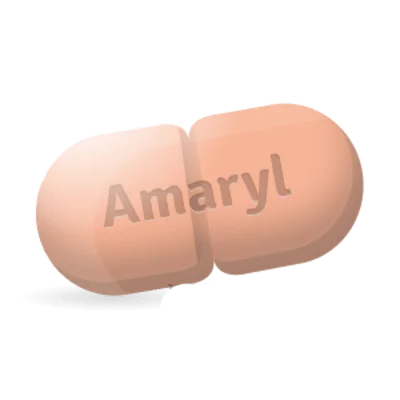
Amaryl is a glimepiride medicine for adults with type 2 diabetes. It helps lower blood glucose by stimulating insulin release and improving the way body tissues respond to insulin.
Amaryl is an oral blood-glucose-lowering medicine containing glimepiride for adults with type 2 diabetes. Glimepiride encourages the pancreas to release insulin and helps body tissues respond to insulin more effectively.
Amaryl contains glimepiride, an anti-diabetic medicine from the sulfonylurea group. Sulfonylureas lower blood glucose by stimulating insulin release from functioning pancreatic beta cells. Amaryl is intended for type 2 diabetes mellitus, where the body still produces some insulin but does not use it efficiently enough [1].
Glimepiride works only when the pancreas can release insulin. This is why it is not a treatment for type 1 diabetes or diabetic ketoacidosis.
Amaryl tablets are taken by mouth, usually with breakfast or the first substantial meal of the day. The prescribed dose is individualised according to glucose results, kidney function, meal pattern, age, and other diabetes medicines.
Take the tablet at the same meal time each day. Swallow it with water rather than chewing it. Dose changes should be made only by the prescriber, since increasing glimepiride too quickly can raise the risk of hypoglycaemia.
If a dose is missed, take the next scheduled dose with the next main meal. Do not take an extra tablet to make up for a missed dose.
Common administration errors include:
Glimepiride binds to sulfonylurea receptors on pancreatic beta cells. This closes potassium channels, changes electrical activity in the cell, and triggers insulin release. Insulin then helps glucose move from the bloodstream into muscle, fat, and liver cells.
The second effect is smaller but useful. Glimepiride can improve peripheral insulin sensitivity, meaning the insulin already present may work more efficiently. Blood glucose can fall even when a person has not changed their meals, which explains why skipped meals are a key cause of hypoglycaemia.
The main limitation is clear: glimepiride can lower glucose regardless of whether a meal is due. Medicines that work mainly through kidney glucose excretion or gut hormones have a lower intrinsic risk of hypoglycaemia when used alone [2].
Amaryl is used to manage type 2 diabetes mellitus in adults. It may be used alone or alongside other glucose-lowering treatments when a clinician considers combination therapy appropriate.
Type 2 diabetes is a long-term metabolic condition marked by insulin resistance, reduced insulin production, or both. Persistently raised glucose can damage blood vessels, nerves, kidneys, and eyes over time. The WHO identifies glucose control, blood-pressure management, and cardiovascular-risk reduction as central parts of diabetes care [3].
Amaryl may be considered when:
Weight gain can occur with sulfonylureas. That trade-off matters for people already concerned about weight or recurrent low glucose episodes.
Amaryl is a sulfonylurea. Metformin is a biguanide, while DPP-4 inhibitors affect incretin hormones and SGLT2 inhibitors increase urinary glucose excretion. These medicines have different strengths, limits, and hypoglycaemia profiles.
| Treatment class | Main action | Key limitation |
|---|---|---|
| Glimepiride / sulfonylurea | Stimulates pancreatic insulin release | Hypoglycaemia and weight gain |
| Metformin / biguanide | Reduces liver glucose output | Gastrointestinal effects; suitability depends on kidney function |
| DPP-4 or SGLT2 inhibitor | Enhances incretin action or urinary glucose loss | Choice depends on kidney function, infection risk, and cardiovascular profile |
Metformin is often used first because it does not usually cause hypoglycaemia when used alone. Glimepiride can provide a stronger insulin-release effect when pancreatic beta cells remain responsive, though low glucose is the central drawback.
DPP-4 inhibitors tend to have a low hypoglycaemia risk when used without insulin or a sulfonylurea. SGLT2 inhibitors may offer heart or kidney benefits for selected people, yet genital infections, dehydration, and kidney function must be considered. NICE guidance supports individual treatment choices based on cardiovascular disease, heart failure, kidney disease, body weight, hypoglycaemia risk, and personal treatment goals [4].
Contraindications include:
This medicine is not for you if you have type 1 diabetes or diabetic ketoacidosis, or if you have had an allergic reaction to glimepiride, sulfonylureas, or sulfonamide-related medicines. Tell your clinician if you have kidney or liver problems, eat poorly, have adrenal or pituitary disorders, or have previously had severe low blood sugar. Pregnancy, breastfeeding, or regular alcohol use also require an individual treatment plan.
Hypoglycaemia is the most important adverse effect of glimepiride. It means blood glucose has fallen too low for the body’s needs. Early signs can include sweating, shakiness, hunger, palpitations, headache, blurred vision, irritability, poor concentration, or unusual tiredness.
More severe hypoglycaemia may cause confusion, impaired coordination, behaviour changes, seizures, or loss of consciousness. This needs urgent medical care. The risk rises with skipped meals, vomiting, alcohol intake, strenuous unplanned activity, kidney impairment, and use with insulin or certain other glucose-lowering medicines .
Other reported side effects include:
A rash with swelling of the lips, tongue, or throat needs urgent assessment. Yellowing of the skin or eyes, dark urine, persistent fever, or unexplained bruising also require prompt clinical review.
A common mistake is assuming that a high reading always means the dose should be increased. Stress, infection, corticosteroids, a missed dose, or a high-carbohydrate meal can all raise glucose temporarily. Dose changes without review can lead to hypoglycaemia later.
People also sometimes stop Amaryl during a short illness because they are eating less. Illness can raise glucose, while reduced food intake can lower it. A personalised sick-day plan from the diabetes team is safer than making unplanned changes.
In clinical practice, doctors often focus on meal regularity before changing a glimepiride dose. A high glucose result after several days of missed tablets needs a different response from repeated high results despite consistent dosing and meals.
Clinicians also ask about overnight sweating, waking headaches, vivid dreams, unexplained irritability, and late-morning fatigue. These can be overlooked signs of nocturnal or delayed hypoglycaemia. Glucose records are more useful when they include meal timing, exercise, alcohol intake, and symptoms rather than numbers alone.
Amaryl can be a useful option for adults with type 2 diabetes who need additional glucose lowering. It is less suitable when frequent meals are unpredictable or when recurrent hypoglycaemia has already become a problem.
Yes. Glimepiride can cause hypoglycaemia because it stimulates insulin release, even when food intake is lower than usual. Warning symptoms include sweating, tremor, hunger, headache, and difficulty concentrating. Severe symptoms such as confusion, collapse, or seizures need urgent medical help. The EMA product information (2023) identifies hypoglycaemia as a key risk with glimepiride .
Weight gain can occur with sulfonylureas, including glimepiride, because insulin encourages energy storage and low-glucose episodes may lead to extra calorie intake. The effect varies between individuals and is not inevitable. Tracking weight alongside glucose readings can reveal whether frequent corrective snacking is contributing. NICE guidance from 2022 includes weight impact as a factor when selecting glucose-lowering therapy .
Amaryl may be prescribed with metformin when one medicine does not achieve glucose targets. The two medicines work differently: metformin reduces liver glucose output, while glimepiride stimulates insulin release. Combination treatment can improve glucose control, though it can also increase the likelihood of hypoglycaemia compared with metformin alone. The WHO diabetes guidance (2023) describes combination treatment as an option when glucose control remains inadequate .
Take the next scheduled dose with the next main meal and do not double the dose. Doubling can lead to hypoglycaemia, especially if meals are smaller than usual. Repeated missed doses can make glucose results difficult to interpret because high readings may reflect inconsistent treatment rather than an inadequate prescribed dose. MHRA-aligned glimepiride information (2023) advises maintaining the regular dosing schedule .
Amaryl does not replace insulin in type 1 diabetes because it relies on the pancreas being able to release insulin. In type 2 diabetes, it may be used before insulin or alongside insulin, depending on glucose control and the individual treatment plan. Insulin can be required when pancreatic insulin production becomes too limited. The EMA (2023) describes glimepiride as treatment for type 2 diabetes where insulin secretion remains present .
Alcohol can make the glucose response to glimepiride unpredictable. Drinking without food can increase the risk of hypoglycaemia, while regular heavy drinking can also worsen long-term glucose control. Alcohol may make it harder to recognise early low-glucose symptoms or respond appropriately. WHO guidance on diabetes care (2023) supports limiting alcohol exposure as part of risk reduction .
Your order will be securely packed and shipped within 24 hours. This is exactly what your package will look like (images of an actual item sent). It has the size and look of a regular private letter (24x11x0.7 cm) and its contents cannot be seen.





