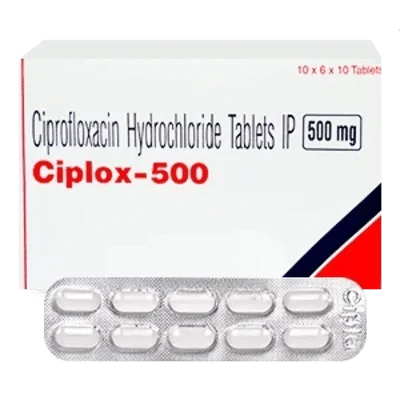
Ciplox is a prescription antibiotic for adults with selected bacterial infections. Its active ingredient, ciprofloxacin, works by blocking bacterial DNA processes so susceptible bacteria cannot multiply.
Description
Ciplox is an oral antibiotic containing ciprofloxacin hydrochloride. The dose is stated on the pack — follow the leaflet. It is prescribed for adults with selected bacterial infections when ciprofloxacin is an appropriate treatment choice. Ciprofloxacin blocks essential bacterial DNA processes, stopping susceptible bacteria from multiplying.
Composition
Each Ciplox tablet contains ciprofloxacin hydrochloride; the dose is stated on the pack — follow the leaflet. Ciprofloxacin belongs to the fluoroquinolone group of antibiotics, a class used for certain bacterial infections affecting the urinary tract, kidneys, prostate, digestive tract, skin, bones, joints, and lower respiratory tract.
Ciplox treats bacterial disease, not viral illnesses such as colds, influenza, or most sore throats. The antibiotic should be selected according to the suspected infection, local resistance patterns, kidney function, and previous antibiotic exposure.
A useful practical detail is that ciprofloxacin absorption can fall sharply when it is taken close to products containing calcium, magnesium, aluminium, iron, or zinc. This matters more than many people expect.
Take Ciplox with water. Keep antacids, mineral supplements, sucralfate, and multivitamins at least two hours before or six hours after the tablet.
Dosage and usage
Ciplox tablets are swallowed whole with water. The dose is stated on the pack — follow the leaflet. The prescribed timing and course length depend on the infection, bacterial susceptibility, kidney function, and clinical response.
The dose and schedule for adults depend on the infection and the prescriber's instructions. Some infections require a different regimen. Do not change the schedule, double a missed dose, or stop early simply because symptoms improve.
Swallow the tablet whole; do not crush or chew it.
Take doses at similar times each day.
Drink enough fluid unless a clinician has advised fluid restriction.
Take it with or without food, but avoid taking it with dairy products alone.
If a dose is missed, take it when remembered unless the next dose is due soon. In that case, skip the missed dose and continue normally.
Never take an extra tablet to compensate for a missed dose.
Milk, yoghurt, and calcium-fortified drinks can be part of a meal, but they should not be the only food or drink taken with Ciplox because calcium may reduce ciprofloxacin absorption.
One frequent mistake is taking ciprofloxacin beside a morning multivitamin or indigestion remedy. The person may take every tablet reliably, yet receive less antibiotic into the bloodstream.
How it works
Ciprofloxacin enters susceptible bacteria and inhibits two bacterial enzymes: DNA gyrase and topoisomerase IV. These enzymes manage bacterial DNA during cell division. When they are blocked, the bacteria cannot copy their genetic material or reproduce.
This mechanism differs from penicillin-type antibiotics, which interfere with bacterial cell-wall construction. Ciprofloxacin can work against some Gram-negative bacteria, including organisms involved in complicated urinary infections, although resistance is increasingly common.
The MHRA restricts fluoroquinolone use because disabling and sometimes long-lasting adverse effects can occur. Ciprofloxacin is therefore reserved for situations where other commonly recommended antibiotics are inappropriate or ineffective [1].
Indications
Ciplox is prescribed for adults with selected bacterial infections when ciprofloxacin is an appropriate treatment choice.
Comparison
Antibiotic selection should follow the infection site and, where available, culture results. Ciplox is not automatically the first choice for every urinary or respiratory infection because fluoroquinolone safety restrictions have changed prescribing practice.
Option
Main action
Typical place in treatment
Ciprofloxacin
Fluoroquinolone that blocks bacterial DNA enzymes
Selected susceptible bacterial infections when alternatives are unsuitable
Beta-lactam antibiotic that disrupts cell-wall synthesis
Certain susceptible respiratory, dental, skin, and urinary infections
Nitrofurantoin concentrates in urine, so it is useful for uncomplicated bladder infections but not for kidney infection or systemic disease. Amoxicillin remains useful for susceptible bacteria, though resistance limits its role in some infections. Ciplox has broader activity against several Gram-negative organisms, but its adverse-effect profile means clinicians use it with care.
NICE guidance supports choosing antibiotics by infection type, severity, prior cultures, and local antimicrobial-resistance data rather than treating all infections with one broad-spectrum option [2].
Contraindications
Ciplox is contraindicated in people with a previous serious allergic reaction to ciprofloxacin, another fluoroquinolone, or any tablet ingredient. Concomitant use with tizanidine is contraindicated because ciprofloxacin can greatly increase tizanidine concentrations and cause dangerous low blood pressure and sedation.
Fluoroquinolones require special caution in people with a previous tendon disorder linked to this antibiotic class, myasthenia gravis, epilepsy, serious psychiatric illness, known aortic aneurysm, severe vascular disease, or a history of peripheral neuropathy. Older adults and people taking oral corticosteroids have a higher tendon-injury risk.
Ciprofloxacin may interact with:
Warfarin and other vitamin K antagonists: anticoagulant effect can increase, raising bleeding risk.
Theophylline: levels may rise and cause toxicity, including tremor, insomnia, or seizures.
Clozapine, duloxetine, ropinirole, and caffeine: ciprofloxacin can alter metabolism and intensify effects.
Medicines that prolong the QT interval: combined use may increase rhythm-risk in susceptible people.
Antacids, iron, zinc, calcium, magnesium, and sucralfate: these reduce ciprofloxacin absorption.
Pregnancy and breastfeeding require individual prescribing assessment. Ciprofloxacin crosses the placenta and is excreted into breast milk, so treatment decisions should weigh the infection risk against available alternatives. The EMA product information for ciprofloxacin includes warnings on tendon disorders, neurological effects, and medicine interactions [3].
When this is not for you
This medicine may not be suitable if you have ever had a serious reaction to ciprofloxacin or another fluoroquinolone, or if you take tizanidine. Tell your prescriber if you have tendon problems, muscle weakness from myasthenia gravis, epilepsy, serious mental-health illness, an aneurysm, severe vascular disease, or previous nerve symptoms after an antibiotic. Extra care is needed for older adults and people taking steroid medicines.
Side effects
Most people taking ciprofloxacin do not develop severe reactions, yet Ciplox has safety concerns that deserve clear attention. Common effects include nausea, diarrhoea, abdominal discomfort, indigestion, headache, dizziness, sleep disturbance, and a temporary altered taste.
Loose stools can occur because antibiotics alter the normal intestinal bacterial balance. Persistent or severe diarrhoea, diarrhoea containing blood or mucus, or severe stomach cramps need urgent assessment because antibiotic-associated colitis can develop during treatment or after it ends.
Fluoroquinolones can also cause less common but serious reactions:
Pain, swelling, tenderness, or inflammation in a tendon, especially the Achilles tendon.
Numbness, tingling, burning pain, weakness, or altered sensation in the hands or feet.
New anxiety, agitation, confusion, hallucinations, severe insomnia, or seizures.
Palpitations, fainting, or a rapid irregular heartbeat.
Sudden chest, stomach, or back pain, which needs urgent medical assessment.
Rash, facial swelling, wheezing, or breathing difficulty, which may indicate an allergic reaction.
Stop Ciplox and seek urgent medical advice if tendon pain, neuropathy symptoms, severe mood changes, a serious rash, or breathing difficulty occurs. Continuing despite early tendon pain is a mistake that can turn inflammation into rupture.
Avoid strenuous running, jumping, heavy lifting, and intense gym training during Ciplox treatment and for several days afterwards if you develop tendon discomfort. Achilles pain may begin as stiffness rather than a dramatic injury.
Photosensitivity can occur. Strong sunlight may trigger an exaggerated skin reaction in some people.
Common mistakes
The most preventable problems with Ciplox come from timing errors and from overlooking early warning symptoms.
Taking Ciplox with an antacid or mineral supplement and reducing absorption.
Stopping treatment when symptoms settle, leaving surviving bacteria to regrow.
Taking a double dose after forgetting one tablet.
Continuing strenuous exercise despite calf, shoulder, elbow, or heel pain.
Assuming new tingling or burning is unrelated because there is no visible rash.
Using leftover antibiotics for a later illness without a current clinical assessment.
Treating diarrhoea with medicines that slow the bowel when severe antibiotic-associated diarrhoea is possible.
Ciprofloxacin can also affect blood glucose control in people using insulin or certain diabetes tablets. Sweating, shaking, confusion, unusual hunger, or sudden weakness should prompt a blood-glucose check where possible and timely clinical advice.
What doctors say
In clinical practice, doctors do not use ciprofloxacin as a casual broad-spectrum fallback. They tend to reserve it for infections where the likely organism is susceptible and safer first-line options are unsuitable, ineffective, or cannot reach the infection site adequately.
A clinician will also ask about prior tendon pain, steroid use, kidney disease, aneurysm history, and previous fluoroquinolone reactions. These questions are not routine paperwork; they identify people at greater risk of uncommon but serious adverse effects. Kidney function can affect the prescribed dose. The review should include current medicines and supplements. Clear instructions help patients recognise symptoms that need prompt assessment.
Symptom improvement may begin within a few days, but the response depends on the infection site and bacterial susceptibility. Fever, worsening pain, persistent urinary symptoms, or new systemic symptoms can mean the infection needs reassessment or culture-guided treatment.
Frequently asked questions
Is Ciplox used for every urinary tract infection?
No. Ciplox may be used for selected urinary infections, including some complicated infections, when the bacteria are likely to respond and other antibiotics are unsuitable. NICE guidance published in 2018 recommends choosing treatment according to illness severity, resistance risk, and culture information where available . Simple bladder infections often have narrower-spectrum options.
How quickly does Ciplox start working?
Ciprofloxacin begins reaching therapeutic blood levels after a tablet is absorbed, but symptom relief takes longer because the body still needs to resolve inflammation. People with susceptible bacterial infections may notice improvement within a few days. Lack of improvement, worsening fever, flank pain, vomiting, or systemic illness needs prompt reassessment. NICE guidance published in 2018 supports reassessment when symptoms fail to improve or worsen.
Can Ciplox be taken with food?
Yes, Ciplox can be taken with meals. Food does not usually prevent treatment, though dairy products or calcium-fortified drinks should not be the sole item consumed with the tablet because they can reduce absorption. The FDA-approved ciprofloxacin prescribing information describes interactions with multivalent cations such as magnesium, aluminium, iron, and zinc [4]. The FDA prescribing information dated 2022 also advises separating ciprofloxacin from multivalent cations.
Can I drink alcohol while taking Ciplox?
Alcohol does not create the same direct interaction seen with some antibiotics, yet it can worsen dizziness, nausea, dehydration, sleep disturbance, and stomach upset. Avoiding alcohol is sensible while recovering from an infection, especially if Ciplox causes neurological or digestive side effects. Alcohol also makes it harder to judge whether dizziness or impaired concentration is medicine-related. The NHS advice available in 2024 also recommends caution when alcohol worsens medicine-related dizziness or dehydration.
What should I do if I get tendon pain during Ciplox treatment?
Stop taking Ciplox and seek urgent medical advice if new tendon pain, swelling, or weakness develops. The Achilles tendon is often affected, although the shoulder, hand, and other tendons can also be involved. MHRA safety advice issued in 2024 warns that fluoroquinolone tendon injury may occur during treatment or after stopping .
Can Ciplox affect driving or machinery use?
It can. Dizziness, fatigue, visual disturbance, confusion, or reduced concentration may occur, especially early in treatment. Do not drive, cycle in traffic, or operate machinery if any of these effects occur. This precaution is relevant even when the infection itself has started to improve. MHRA safety advice from 2024 highlights dizziness and other reactions that can impair driving.
Do you offer anonymous delivery?
Your order will be securely packed and shipped within 24 hours. This is exactly what your package will look like (images of an actual item sent). It has the size and look of a regular private letter (24x11x0.7 cm) and its contents cannot be seen.
I took Ciplox for a urine infection after another antibiotic had not worked. Burning eased by the third day. The main annoyance was nausea when I took it without breakfast, which improved when I used it with a proper meal.
29 Aug 2026
D
Daniel, 47
Bristol
10 days
Verified
Rating: 4.5 out of 5
My temperature settled after two days and I finished the course. I kept my iron tablets separate after being told they could interfere, which was easy once I set reminders.
10 Sept 2026
A
Amelia, 39
Manchester
5 days
Verified
Rating: 3.5 out of 5
I had mild dizziness and a metallic taste for the first few days. It cleared after I finished, but I avoided driving when I felt light-headed.
22 Sept 2026
T
Thomas, 56
Glasgow
7 days
Verified
Rating: 2 out of 5
I stopped after I developed pain above my heel on day four and got medical advice the same day. The infection treatment was changed. I had not realised tendon pain could matter with this antibiotic.
26 Sept 2026
Sources
MHRA (2024). Fluoroquinolone antibiotics: must now only be prescribed when other commonly recommended antibiotics are inappropriate.