Verified
My readings gradually settled over the first few weeks. I did not feel a dramatic change, which was the point really, but my morning numbers became much less erratic.
21 Aug 2026

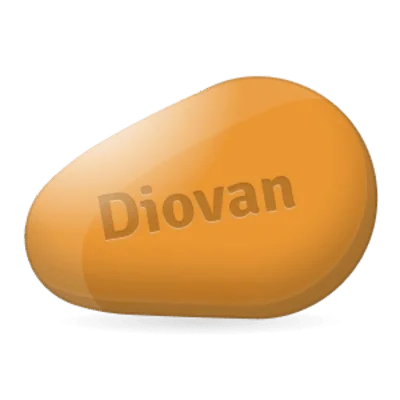
Diovan is a prescription tablet containing valsartan, an angiotensin II receptor blocker. It is intended for adults with hypertension, heart failure, or certain cardiovascular needs after a heart attack. By blocking angiotensin II, it relaxes blood vessels and reduces strain on the heart.
Diovan is a valsartan tablet used to treat high blood pressure, heart failure, and certain patients after a heart attack. It is prescribed for adults who need blood-pressure control or reduced strain on the heart. Valsartan relaxes blood vessels by blocking the effects of angiotensin II.
Valsartan is the active pharmaceutical ingredient in Diovan. The name Diovan identifies the valsartan tablet product, while valsartan is the international non-proprietary name used in clinical guidelines, prescribing records, and scientific literature.
The therapeutic effect comes from valsartan itself. It does not depend on the tablet’s colour, shape, or the time of day it is taken. A clinician selects the prescribed dose according to the condition being treated, blood-pressure response, kidney function, other medicines, and individual tolerance.
One detail that is easy to miss: blood pressure can improve before a person feels any different. Feeling well does not mean treatment can be stopped.
Diovan tablets are swallowed whole with water and may be taken with or without food. They are commonly used once daily, at a regular time chosen to fit the prescribed regimen. A consistent routine helps avoid accidental double dosing.
The renin-angiotensin system helps regulate blood pressure and fluid balance. When blood flow to the kidneys falls, the body can produce angiotensin II, a hormone that narrows blood vessels and stimulates aldosterone release. Aldosterone encourages the body to retain sodium and water.
Valsartan blocks the AT1 receptor, the main receptor through which angiotensin II narrows blood vessels. This reduces vasoconstriction and lowers the pressure the heart must pump against. The European Medicines Agency describes ARBs as medicines that interrupt angiotensin II signalling rather than reducing the hormone’s production [2].
ACE inhibitors also act on this hormonal system, but at an earlier step. They can increase bradykinin, a substance linked with the persistent dry cough some people experience. Valsartan does not increase bradykinin in the same way, which is one reason an ARB may be considered when an ACE inhibitor causes cough.
Diovan contains valsartan, an angiotensin II receptor blocker, also called an ARB or angiotensin II receptor antagonist. It is used for hypertension, symptomatic heart failure, and to support cardiovascular treatment after myocardial infarction in clinically stable patients with reduced left-ventricular function [1].
High blood pressure often causes no symptoms. Treating it still matters because sustained pressure damages blood vessels, the heart, kidneys, brain, and eyes over time.
Valsartan lowers resistance in blood vessels, allowing blood to circulate with less pressure against artery walls. In heart failure, this can reduce cardiac workload and improve the body’s handling of fluid and circulation.
Several medicine classes can lower blood pressure and support heart failure treatment. The best choice depends on the diagnosis, kidney function, potassium level, previous side effects, and other prescribed medicines.
| Treatment class | Main action | Practical distinction |
|---|---|---|
| Diovan (valsartan) | Blocks angiotensin II at the AT1 receptor | Often considered when ACE inhibitor cough is troublesome |
| ACE inhibitors such as ramipril, lisinopril and enalapril | Reduces formation of angiotensin II | Can cause a persistent dry cough linked to bradykinin |
| Other ARBs such as losartan, irbesartan, candesartan, telmisartan, olmesartan and eprosartan | Block angiotensin II receptors | Similar class effects, with different approved uses and dosing plans |
NICE guidance includes ARBs among established options for hypertension and heart failure when clinically appropriate [3]. An ARB is not automatically interchangeable with another ARB at the same tablet count. The prescribed medicine and dose reflect the individual treatment plan.
For heart failure, clinicians often build treatment around several complementary drug classes rather than relying on one medicine alone. Diovan can be part of that plan, but its role differs between hypertension, heart failure, and post-heart-attack care.
This medicine is not for you if you have had an allergic reaction to valsartan or any component of the tablet.
Diovan must not be used during pregnancy. Medicines that act on the renin-angiotensin system can harm fetal kidney development, especially after the first trimester. Breastfeeding also requires an individual clinical assessment because safer alternatives may be preferred.
Extra caution is needed with:
Kidney monitoring is not a formality. A rise in creatinine after starting an ARB may be expected in some settings, yet a large or progressive rise can signal excessive reduction in kidney blood flow, dehydration, or a medicine interaction.
Diovan may not be suitable if you have had an allergic reaction to valsartan, are pregnant, or have serious liver or kidney problems. Tell your clinician if you have very low blood pressure, previous angioedema, severe dehydration, or diabetes or kidney impairment while taking or considering aliskiren. Breastfeeding also needs individual medical advice.
Many people tolerate Diovan without disruptive effects. Dizziness, headache, fatigue, and low blood pressure can occur, most often when treatment starts, after a dose change, during illness with vomiting or diarrhoea, or when another blood-pressure medicine is added.
Dizziness is often positional.
Possible effects requiring attention include:
The FDA prescribing information for valsartan identifies hypotension, altered renal function, and hyperkalaemia as clinically relevant risks, especially in people with reduced kidney blood flow or medicines that affect the renin-angiotensin system [4].
Several avoidable habits can make Diovan seem less helpful or increase side-effect risk.
A single unusually high reading should be repeated after resting, unless it is accompanied by severe chest pain, weakness on one side, confusion, or breathlessness.
In clinical practice, prescribers look beyond a single blood-pressure reading. They assess home readings, symptoms, kidney function, potassium, diabetes status, heart failure severity, and the full medicine list before deciding whether valsartan is suitable.
Doctors often see better results when people take Diovan consistently rather than only on days when they think their pressure might be high. Hypertension treatment is preventive; it protects blood vessels between appointments, not only when a monitor shows an elevated number.
For heart failure, expectations should be realistic. Diovan can reduce strain on the heart and may improve symptoms over time, but it does not replace fluid management, monitoring of sudden weight gain, or other parts of a structured heart-failure plan.
Diovan begins affecting the renin-angiotensin system after dosing, while the full blood-pressure response may take several weeks of regular treatment. The timing depends on the prescribed dose, baseline blood pressure, kidney function, and whether other antihypertensive medicines are used. NICE hypertension guidance, updated in 2023, supports reviewing response with measured blood-pressure readings rather than judging treatment by symptoms alone. [5] Follow-up timing should reflect the treatment plan and the readings recorded at home.
Diovan tablets can be taken with or without food. Taking them at a similar time each day is usually more useful than choosing a specific meal. If nausea occurs, taking the tablet after food may be more comfortable for some people, provided the prescribed schedule remains unchanged. This administration approach is consistent with the EMA product information for valsartan (2018).
A dry cough is less typical with valsartan than with ACE inhibitors such as ramipril, lisinopril, or enalapril. ACE inhibitors can increase bradykinin, which may trigger cough in susceptible people. A new cough still deserves assessment because respiratory infection, reflux, asthma, and heart failure can also cause coughing. The WHO hypertension guideline published in 2021 recognises both ACE inhibitors and ARBs as established blood-pressure treatment classes.
Yes. Valsartan can increase potassium because blocking angiotensin II reduces aldosterone activity, and aldosterone normally helps the kidneys excrete potassium. The risk rises with potassium supplements, potassium-containing salt substitutes, spironolactone, amiloride, kidney impairment, dehydration, and some diabetes treatments. FDA valsartan information revised in 2017 includes hyperkalaemia among the risks that may require laboratory monitoring.
Valsartan may be prescribed after myocardial infarction for clinically stable patients with left-ventricular failure or left-ventricular systolic dysfunction. It reduces harmful angiotensin II signalling, easing vascular resistance and cardiac workload. Treatment after a heart attack is individualised and may include several cardiovascular medicines, each with a distinct role. The EMA described valsartan as an established ARB for cardiovascular indications in 2018.
Vomiting and diarrhoea can cause dehydration, which may lower blood pressure too far and reduce blood flow to the kidneys. The risk is greater when Diovan is combined with diuretics, NSAIDs, or other blood-pressure medicines. Seek timely clinical advice if fluid loss is significant, prolonged, or accompanied by fainting, very low urine output, or marked weakness. MHRA medicine-safety advice from 2024 emphasises the need for extra caution with kidney-affecting medicines during dehydration.
Your order will be securely packed and shipped within 24 hours. This is exactly what your package will look like (images of an actual item sent). It has the size and look of a regular private letter (24x11x0.7 cm) and its contents cannot be seen.





