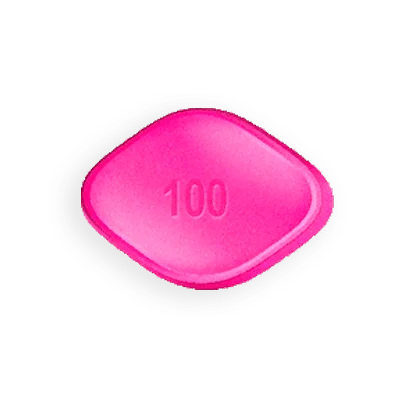
Lovegra is a sildenafil-based tablet for adults who experience reduced physical genital response during sexual stimulation. Its active ingredient supports blood flow in genital tissue by inhibiting PDE5, which may improve lubrication and sensitivity.
Description
Lovegra tablets contain sildenafil citrate, a PDE5 inhibitor marketed for women with difficulties in sexual arousal. It is intended for adults whose concern is reduced physical genital response during sexual stimulation. Sildenafil relaxes blood vessels in genital tissue, which may support blood flow, lubrication and sensitivity.
Composition
Lovegra is a tablet formulation containing sildenafil citrate. Sildenafil is a phosphodiesterase type 5 inhibitor, or PDE5 inhibitor. It supports blood flow in genital tissue by inhibiting PDE5, which may improve lubrication and sensitivity during sexual stimulation. [1]
Lovegra is marketed for adults who experience reduced physical genital response during sexual stimulation. It may be more relevant when the concern is physical arousal rather than reduced sexual interest. Female sexual difficulties may involve desire, genital arousal, orgasm, pain, or a combination of these.
A useful distinction is desire versus physical arousal: desire is interest in sexual activity, while arousal includes the body’s physical response. Lovegra is intended for reduced physical genital response during sexual stimulation.
Dosage and usage
After swallowing a tablet, sildenafil is absorbed into the bloodstream and reaches genital vascular tissue.
A heavy, high-fat meal can delay sildenafil absorption. Alcohol may also worsen dizziness, flushing and low blood pressure, while making it harder to assess sexual response clearly.
Plan the dose away from a large, rich meal when possible. A greasy takeaway shortly beforehand can delay the point at which sildenafil reaches its strongest effect.
Lovegra is taken orally as a tablet. Use only one dose within a 24-hour period, and do not combine it with other PDE5 inhibitors.
For sildenafil, effects commonly begin within 30 to 60 minutes, with the strongest blood levels often occurring around one hour after administration. Some people need closer to two hours. The vascular effect may remain present for about four to six hours, though this does not mean continuous arousal for that whole period. EMA sildenafil information describes the medicine’s rapid absorption and food-related delay in absorption. [2]
Common practical points include:
Take the tablet with water.
Allow time for sexual stimulation; sildenafil does not act independently of arousal.
Avoid a second dose because the first seemed slow to start.
Avoid substantial alcohol intake before use.
Do not crush or chew tablets unless a prescriber has specifically advised it.
One frequent mistake is redosing after 20 minutes because nothing feels different. Sildenafil may still be absorbing, especially after food, and a second tablet can increase adverse effects without improving the result.
How it works
It selectively inhibits PDE5, allowing cGMP to remain active longer. Blood vessels can then relax more readily during stimulation.
This mechanism is vascular rather than hormonal. Lovegra does not increase oestrogen, testosterone or dopamine. It also does not work as an instant aphrodisiac.
Indications
Lovegra may be more relevant when the concern is physical arousal. It is less likely to help when sex is painful, when vaginal dryness is linked to menopause, or when there has been a sudden major change in libido without a clear cause.
Female sexual difficulties may involve desire, genital arousal, orgasm, pain, or a combination of these. A person who wants sex but experiences little physical response may have a different concern from someone who has lost interest in sex altogether.
The International Society for the Study of Women’s Sexual Health describes assessment as broader than a single symptom. Clinicians consider medication use, menopause, vaginal dryness, cardiovascular health, diabetes, pelvic pain, emotional wellbeing and relationship context. [3]
Comparison
Lovegra is a sildenafil-based approach to physical genital arousal. Other approaches target different parts of sexual function, so they are not interchangeable.
Approach
Main mechanism
Practical distinction
Lovegra with sildenafil
PDE5 inhibition and increased cGMP-mediated blood flow
May support physical genital response during sexual stimulation
Tadalafil
PDE5 inhibition with a longer duration of action
Similar drug class, but a longer-lasting effect profile
Flibanserin
Central serotonin, dopamine and noradrenaline modulation
Used for low sexual desire rather than immediate vascular arousal
Tadalafil and sildenafil both act on PDE5. Taking them together is unsafe because their blood-pressure-lowering effects can add up. Flibanserin works in the brain and is taken on a regular schedule rather than shortly before sexual activity.
The term female Viagra is often used informally for sildenafil products marketed to women. It can be misleading because sexual arousal disorder and hypoactive sexual desire disorder are different clinical concerns.
Contraindications
Lovegra is not for you if you use nitrate medicines for chest pain, such as glyceryl trinitrate, isosorbide mononitrate or isosorbide dinitrate. The combination can cause a dangerous fall in blood pressure.
Avoid Lovegra if any of the following apply:
You use riociguat, a guanylate cyclase stimulator.
You have been advised to avoid sexual activity because of unstable heart disease.
You have severe low blood pressure or recent serious cardiovascular instability.
You have previously had non-arteritic anterior ischaemic optic neuropathy.
You have a known allergy to sildenafil or tablet ingredients.
You are taking tadalafil, vardenafil or another PDE5 inhibitor.
Sildenafil is metabolised mainly through CYP3A4, with CYP2C9 contributing to a lesser extent. Strong CYP3A4 inhibitors, including ritonavir, cobicistat, ketoconazole, itraconazole and clarithromycin, can raise sildenafil levels. Alpha-blockers and blood-pressure medicines may also increase the risk of dizziness or fainting.
Pregnancy, breastfeeding, serious liver impairment and significant kidney impairment require individual clinical review before sildenafil is considered. The FDA label also warns about interactions with nitrates and medicines that alter sildenafil metabolism. [4]
When this is not for you
Do not use Lovegra if you take nitrate medicines or riociguat, or if a clinician has advised you to avoid sexual activity because of unstable heart disease. It may also be unsuitable if you have very low blood pressure, serious heart or circulation problems, certain previous vision problems, or an allergy to sildenafil. Do not combine it with tadalafil, vardenafil or another PDE5 inhibitor.
Side effects
Sildenafil side effects are usually related to widened blood vessels. Headache, facial flushing, indigestion, nasal congestion and dizziness are among the more common effects. Some people notice visual changes, such as a blue tinge, brighter light perception or blurred vision.
Most mild reactions settle as the medicine leaves the body. Sitting or lying down can help if dizziness occurs. Drinking alcohol may make flushing, headache and light-headedness more likely.
Seek urgent medical care for chest pain, fainting, sudden loss of vision, sudden hearing changes, or a severe allergic reaction with swelling or breathing difficulty. These reactions are uncommon, but they need prompt assessment.
Headache after sildenafil is often made worse by dehydration. Water, a light meal and avoiding excess alcohol may make the experience more comfortable, provided there is no medical reason to restrict fluids.
Common mistakes
Taking Lovegra after a heavy meal and assuming it has failed.
Using it without sexual stimulation and expecting spontaneous arousal.
Combining it with alcohol, then attributing dizziness or poor response to the tablet alone.
Taking another PDE5 inhibitor on the same day.
Using a second dose too soon because the first dose seemed delayed.
Treating persistent pain during sex as an arousal problem.
Another overlooked issue is sildenafil’s effect on blood pressure. Feeling faint after standing quickly, especially after alcohol or alongside antihypertensive treatment, is a reason to stop and seek medical advice before further use.
Keep a simple note of timing, food, alcohol, physical effects and side effects after use. This can reveal whether delayed onset followed a heavy meal or whether the medicine itself caused troublesome symptoms.
What doctors say
In clinical practice, doctors separate reduced desire from reduced physical arousal before considering a PDE5 inhibitor. That distinction prevents a common disappointment: expecting a blood-flow medicine to solve exhaustion, anxiety, painful intercourse or relationship conflict.
Doctors also look for medicine-related causes. Some antidepressants, blood-pressure medicines and hormonal treatments can affect sexual function. A sudden onset of sexual symptoms, pelvic pain, bleeding after sex, marked vaginal dryness or exertional chest symptoms deserves medical assessment rather than repeated self-treatment.
A reasonable expectation is modest support for physical response, not a guaranteed change in libido. Some women report clearer genital sensitivity; others notice only side effects.
Frequently asked questions
Can Lovegra increase sexual desire?
Lovegra is designed to support physical arousal through blood flow rather than directly increasing sexual desire. It may help genital responsiveness when desire is already present, but it does not treat every cause of low libido. The WHO’s ICD-11 recognises that sexual dysfunction can involve separate domains, including desire and arousal, which is why symptoms need to be distinguished. This clinical framework was updated in the WHO’s 2024 ICD-11 materials. [5]
How long does Lovegra take to work?
Sildenafil commonly starts working within 30 to 60 minutes, although food can delay absorption. Peak effects may occur between one and two hours after use, and effects can remain for several hours. The EMA described sildenafil as rapidly absorbed in its 2023 product information. The timing still varies with meals, alcohol, metabolism and sexual stimulation.
Can Lovegra be taken with alcohol?
Alcohol does not create a direct chemical block to sildenafil, yet the combination can increase flushing, dizziness, headache and low blood pressure. Alcohol can also reduce genital response and make it difficult to judge whether Lovegra was helpful. The FDA’s 2020 sildenafil prescribing information advises caution because sildenafil can lower blood pressure. Limiting alcohol is the more predictable approach.
Can Lovegra be used with antidepressants?
Some antidepressants can reduce libido, lubrication or orgasm, and sildenafil may not resolve every one of these effects. Medicines such as fluoxetine, sertraline and paroxetine can influence sexual function through serotonin pathways rather than blood flow alone. The International Society for the Study of Women’s Sexual Health discussed medication-related sexual symptoms in its 2021 care process guidance. A review of all medicines is needed when sexual changes began after a new prescription.
Can I take Lovegra with tadalafil or vardenafil?
No. Tadalafil, vardenafil and sildenafil are PDE5 inhibitors, and combining them can produce excessive blood-pressure lowering, dizziness, fainting and other adverse effects. The EMA product information for sildenafil, updated in 2023, warns against combining PDE5 inhibitors. Use only one medicine from this class within the same dosing period.
Does Lovegra help with painful sex?
Pain during sex has many possible causes, including vaginal dryness, infection, pelvic floor tension, endometriosis and menopausal tissue changes. Sildenafil increases blood flow but does not treat these causes directly. ACOG’s 2019 guidance on female sexual dysfunction places pain assessment alongside arousal and desire assessment. Persistent pain, bleeding or burning should be assessed before using arousal-focused treatment.
Do you offer anonymous delivery?
Your order will be securely packed and shipped within 24 hours. This is exactly what your package will look like (images of an actual item sent). It has the size and look of a regular private letter (24x11x0.7 cm) and its contents cannot be seen.
I used it on separate weekends. The first time was after dinner and seemed slow, but the second time I had eaten lightly and noticed more warmth and sensitivity after about an hour. I did get a mild headache both times.
30 Aug 2026
M
Maya, 38
Leeds
Two occasions
Verified
Rating: 2 out of 5
It did not change my interest in sex, which was my main issue. There was a little more lubrication, but I had flushing and felt too self-conscious to use it again.
6 Sept 2026
S
Sophie, 49
Manchester
Four weeks
Verified
Rating: 3.5 out of 5
My response was inconsistent at first. I realised wine was making the dizziness worse. Without alcohol, I found the physical effects more noticeable and the headache was manageable.
14 Sept 2026
R
Rachel, 45
Norwich
Once
Verified
Rating: 1.5 out of 5
I felt congested and had a strong headache. There was no benefit for me that evening, so I did not continue.
27 Sept 2026
Sources
FDA (2020). VIAGRA (sildenafil citrate) prescribing information.
EMA (2023). Revatio: Summary of Product Characteristics.
International Society for the Study of Women’s Sexual Health (2021). Process of Care for the Identification of Women with Hypoactive Sexual Desire Disorder.
FDA (2020). Sildenafil: Drug Interactions and Warnings in Prescribing Information.
WHO (2024). ICD-11 for Mortality and Morbidity Statistics.